Kwan Khao (2020-2021)
Kwan Khao ceremony is a traditional Thai farmers’ ritual rooted in ancient beliefs. It is performed to show respect, ask for forgiveness, and pay homage to Mae Phosop, the rice goddess. The ceremony is usually held annually after the rice harvest to express gratitude to the goddess for the harvest and to seek her blessings. According to local beliefs, performing this ritual helps ensure abundant rice harvests and prosperity for farmers in the years to come.
The Sacred Fields, 2020
Serving as the foundational centerpiece and origin point of the entire Kwan Khao series, The Sacred Fields marks the beginning of the artist’s personal journey into the rituals, spiritual folklore, and agrarian ceremonies surrounding the legend of rice. This grand-scale installation transforms the physical landscape of the paddy field into a monument of spiritual devotion, celebrating the sacred soil where human labor meets divine blessing.
In ancient Thai agricultural tradition, the Kwan Khao ceremony is a sacred ritual dedicated to invoking, welcoming, and giving thanks to Mae Posop (the Rice Goddess). The Thai word Kwan refers to the unseen soul, life force, or spiritual essence that resides within all living things and sacred elements. To conduct the Kwan Khao ceremony is to acknowledge that rice is not merely a commodity or physical food, but a living, spirit-infused gift. Farmers perform these rites at crucial stages of the cultivation cycle, from planting to harvest, to nurture the “soul” of the crop, ask for protection against hardship, and offer gratitude for life-sustaining abundance.
Print making installation: Drypoint printing on cotton paper, paper cutting
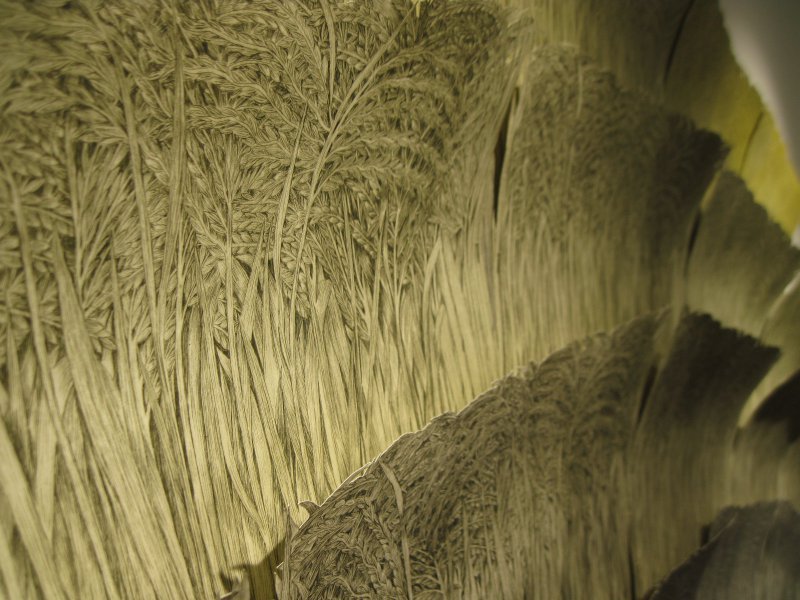
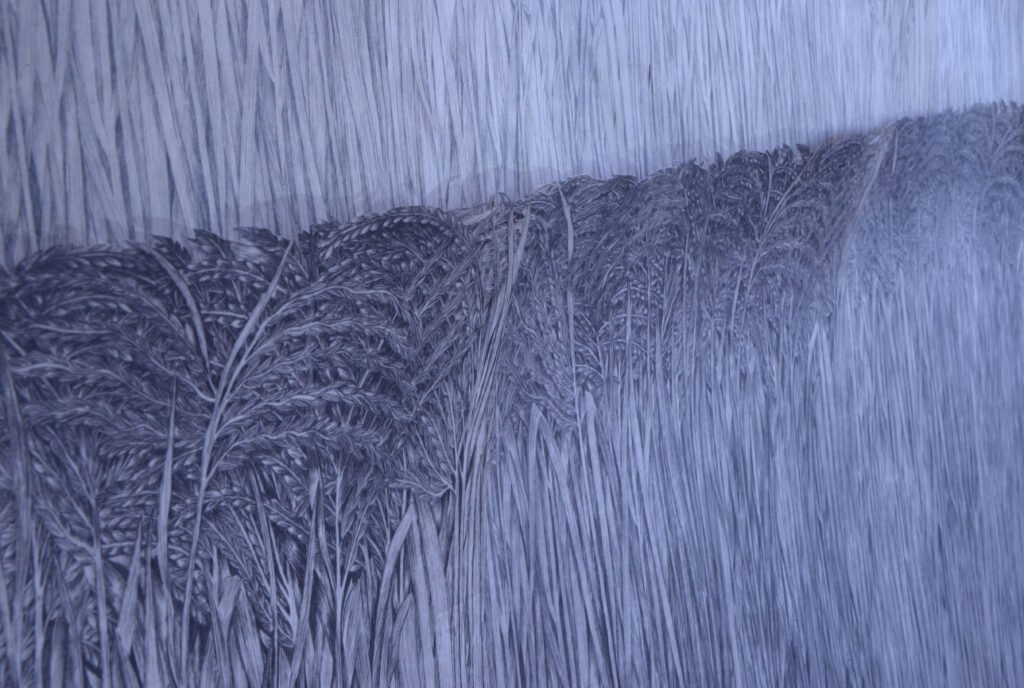
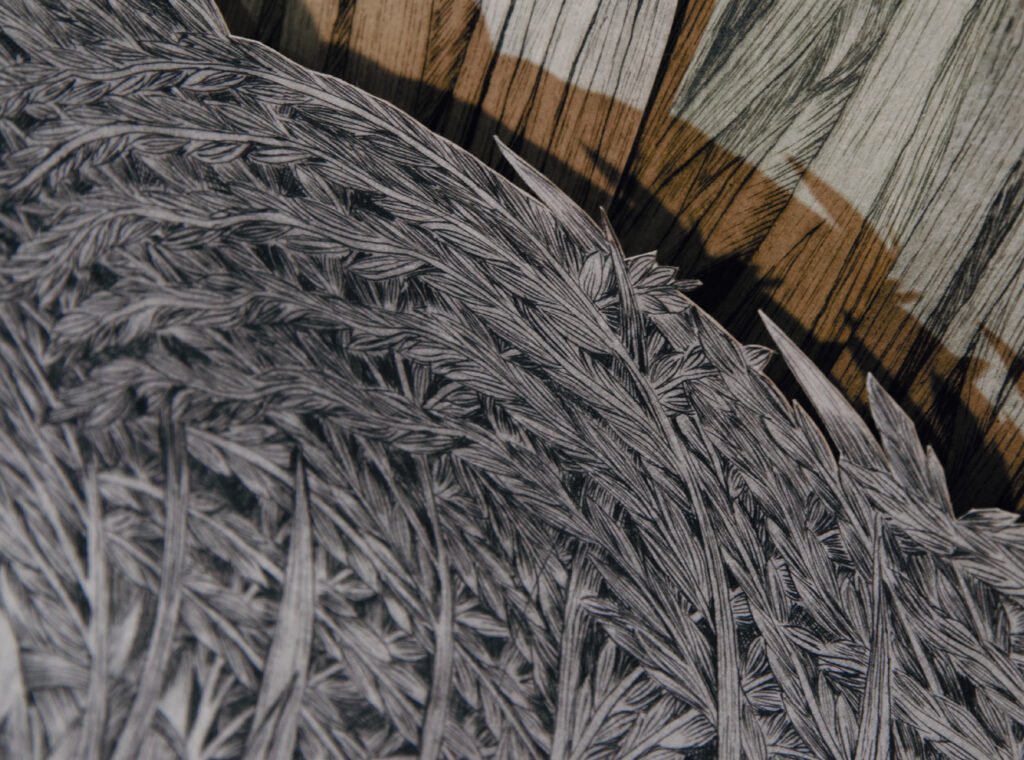


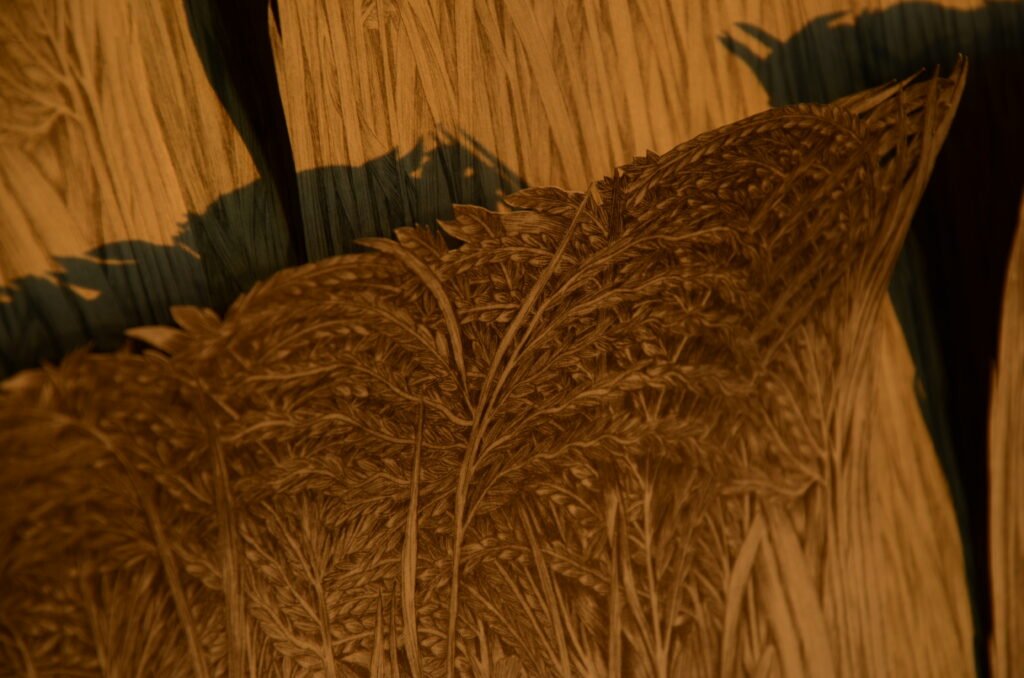
The Worship of Gratitude no. 1, 2020
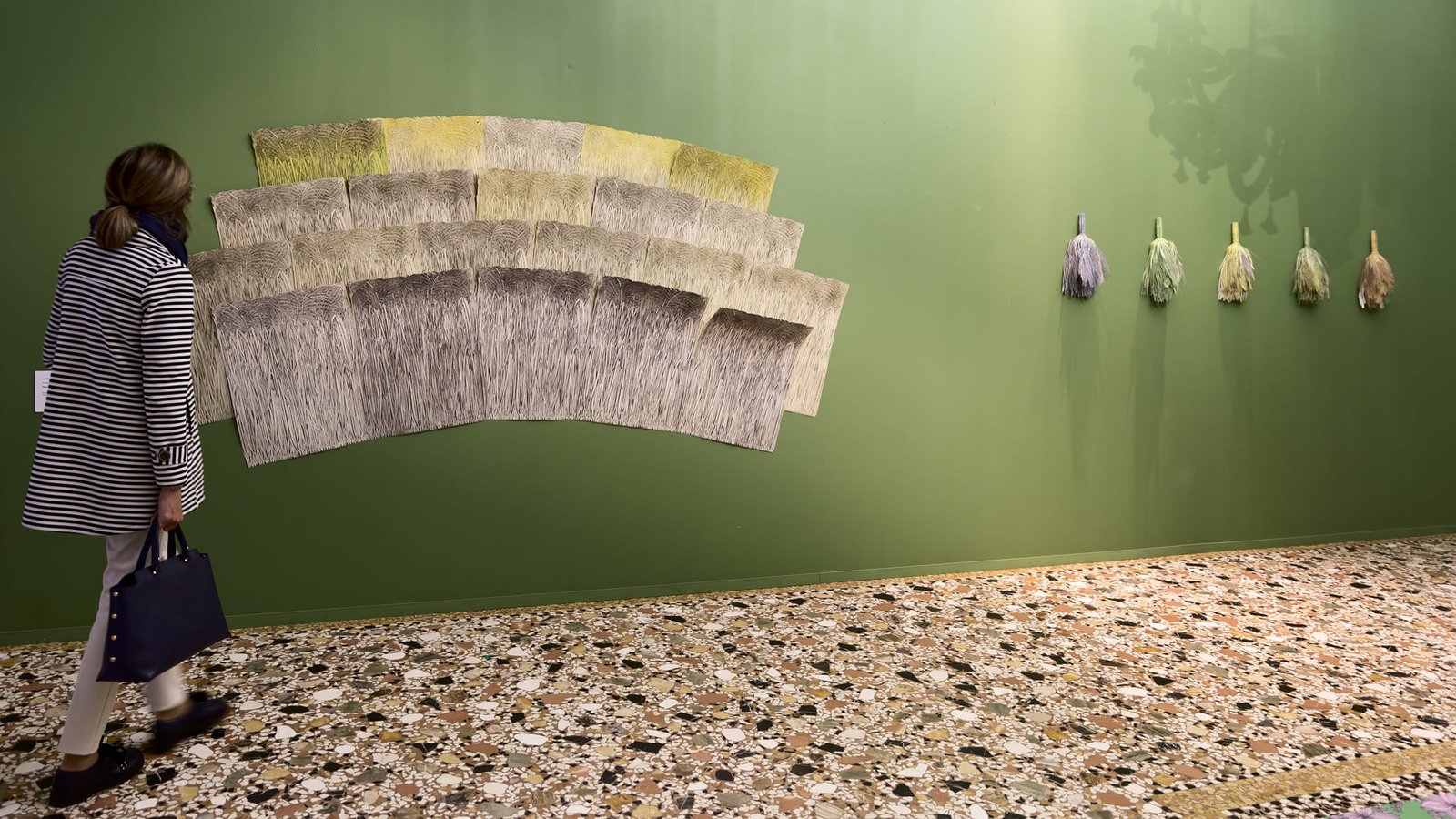
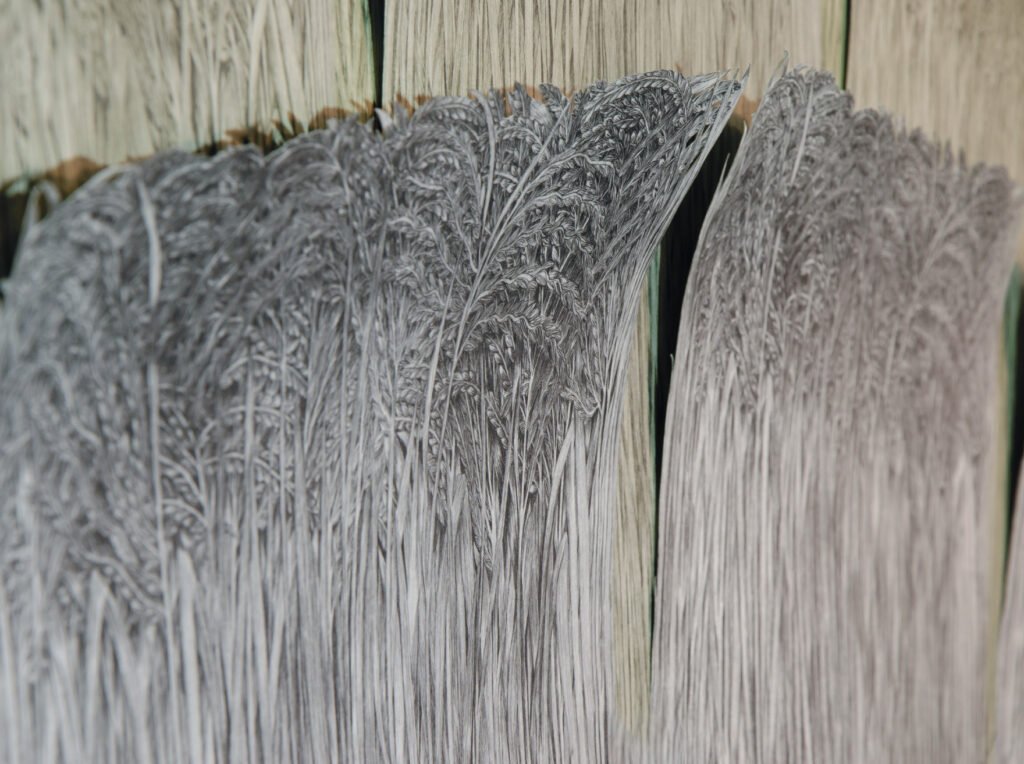
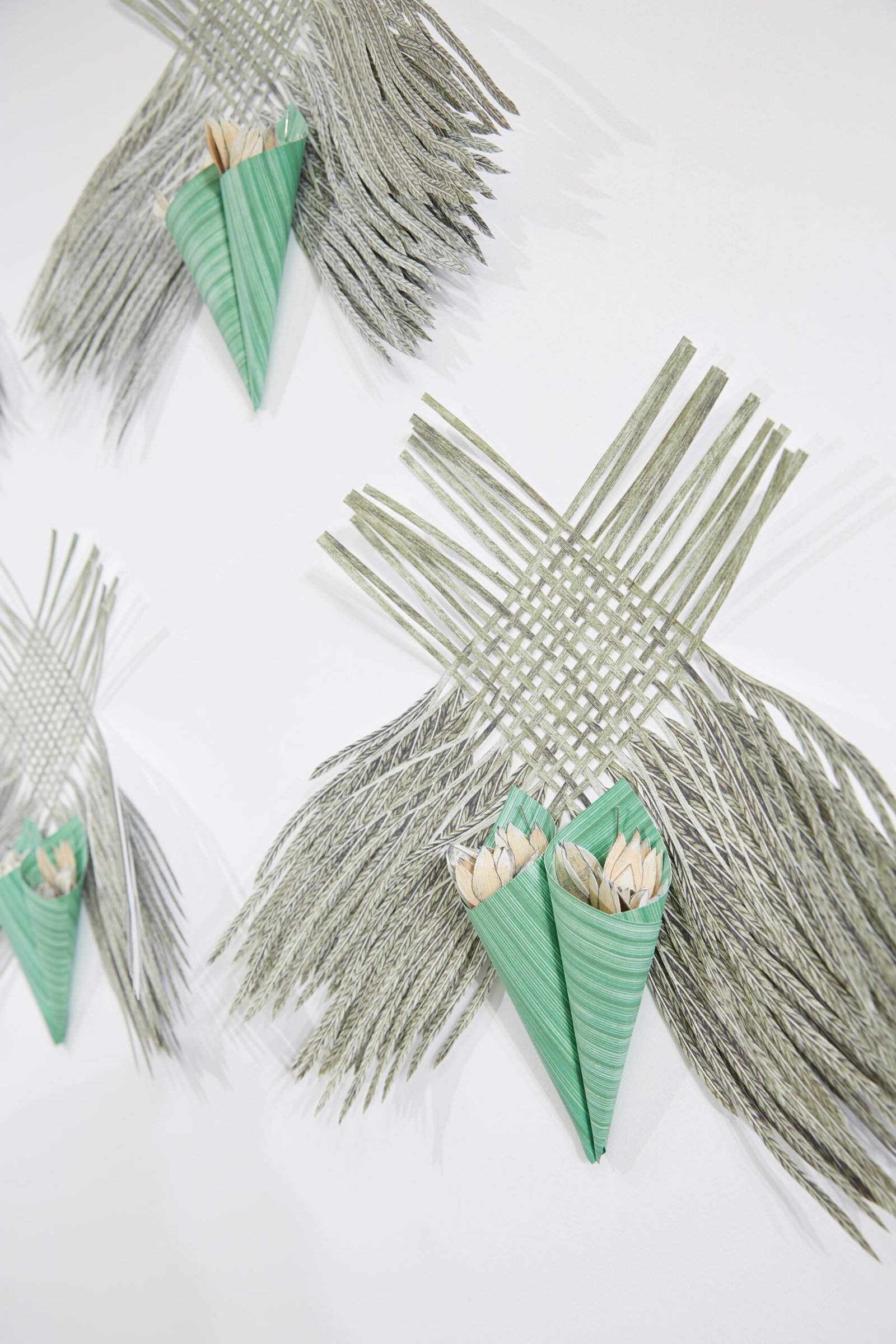
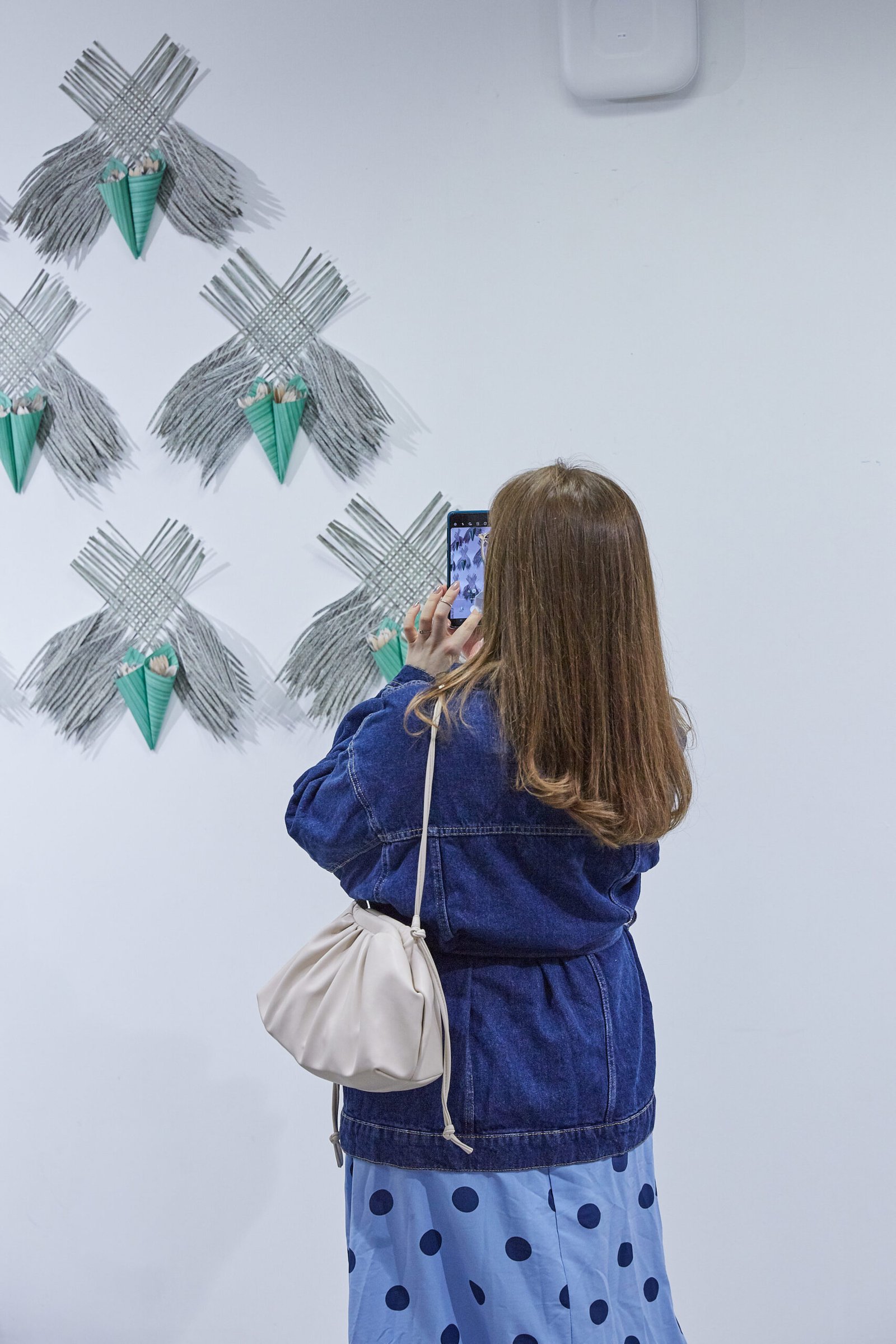
In the Kwan Khao tradition, offerings are not merely symbolic gestures, but an intimate dialogue of thankfulness between the cultivator and Mae Posop (the Rice Goddess). The Worship of Gratitude focuses on this sacred, ritualistic exchange, reimagining the traditional ceremonial offerings, handcrafted bouquets of rice, native flowers, and symbolic foods presented to the goddess to honor, nourish, and thank her for blessing the farmer with an abundant yield during the harvest. These offerings mark a crucial threshold in the agricultural cycle: a moment where human petition transforms into pure thanksgiving, acknowledging that physical sustenance is a divine gift bound to the spirit of the earth.
Print making installation: Drypoint printing on cotton paper, paper cutting
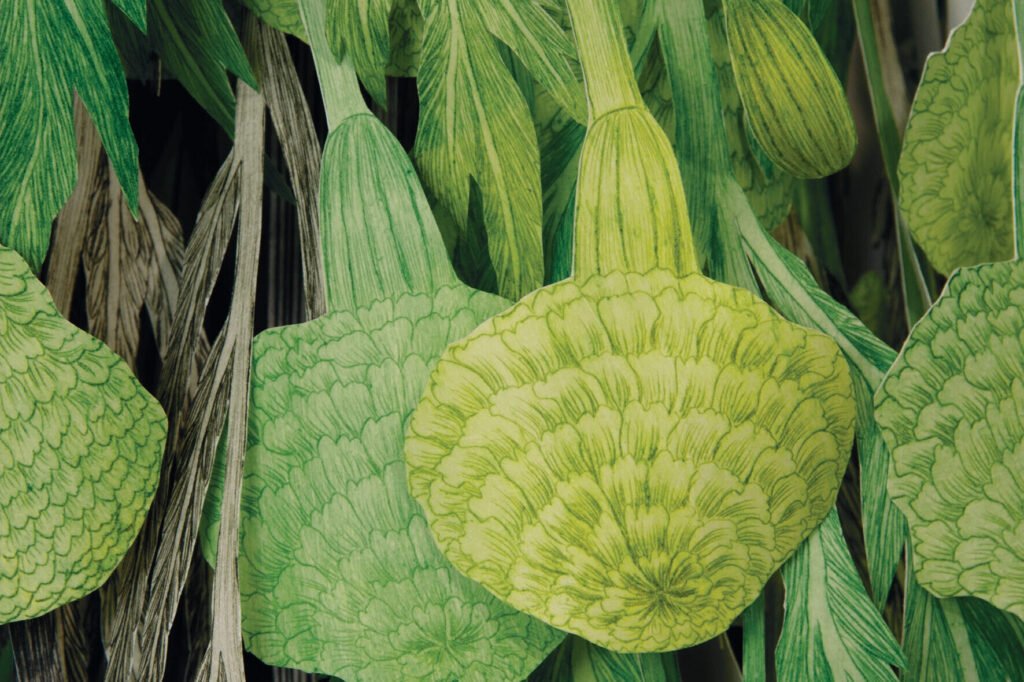
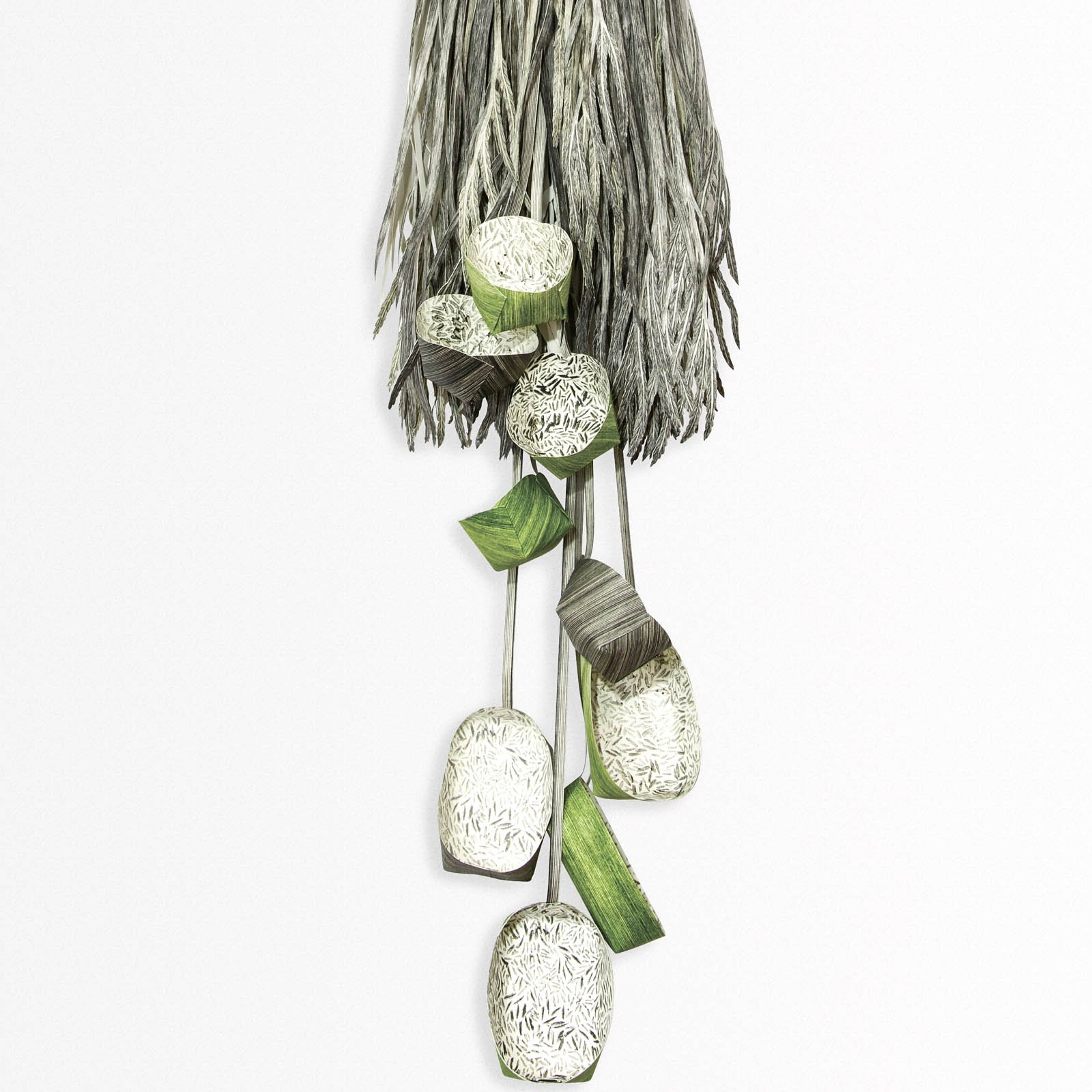
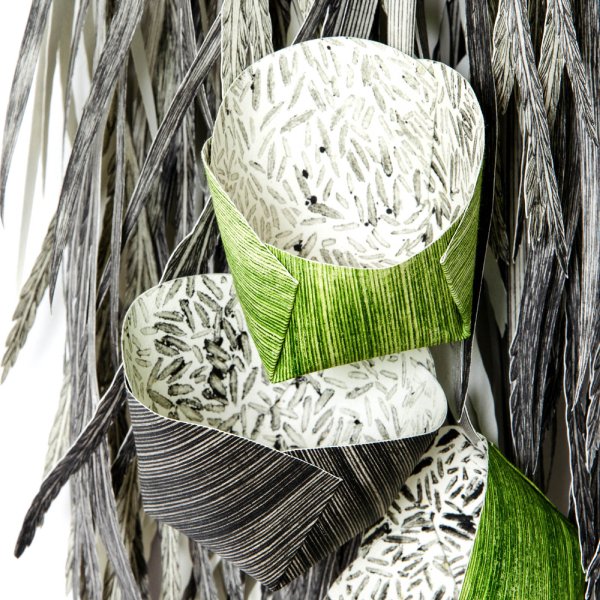


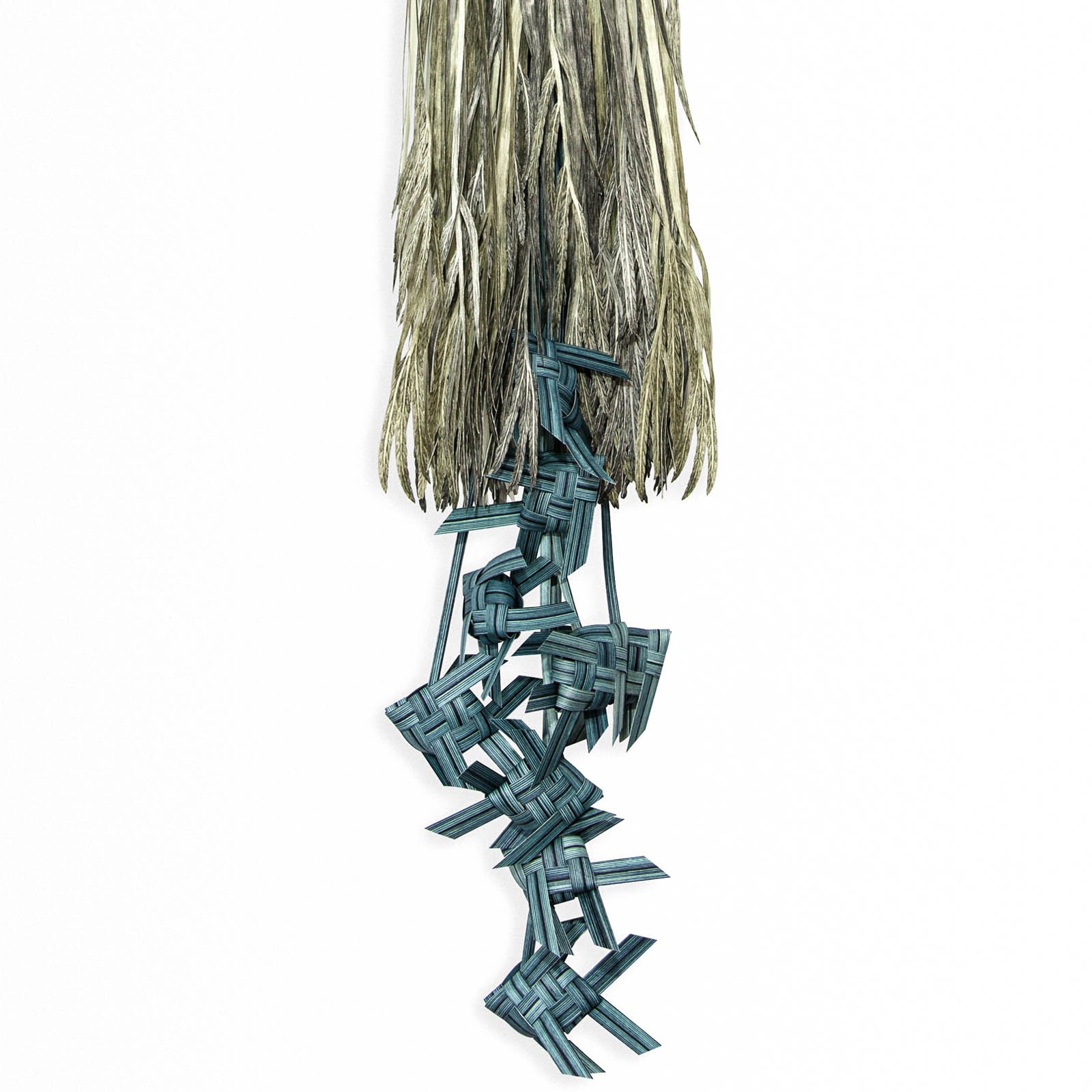


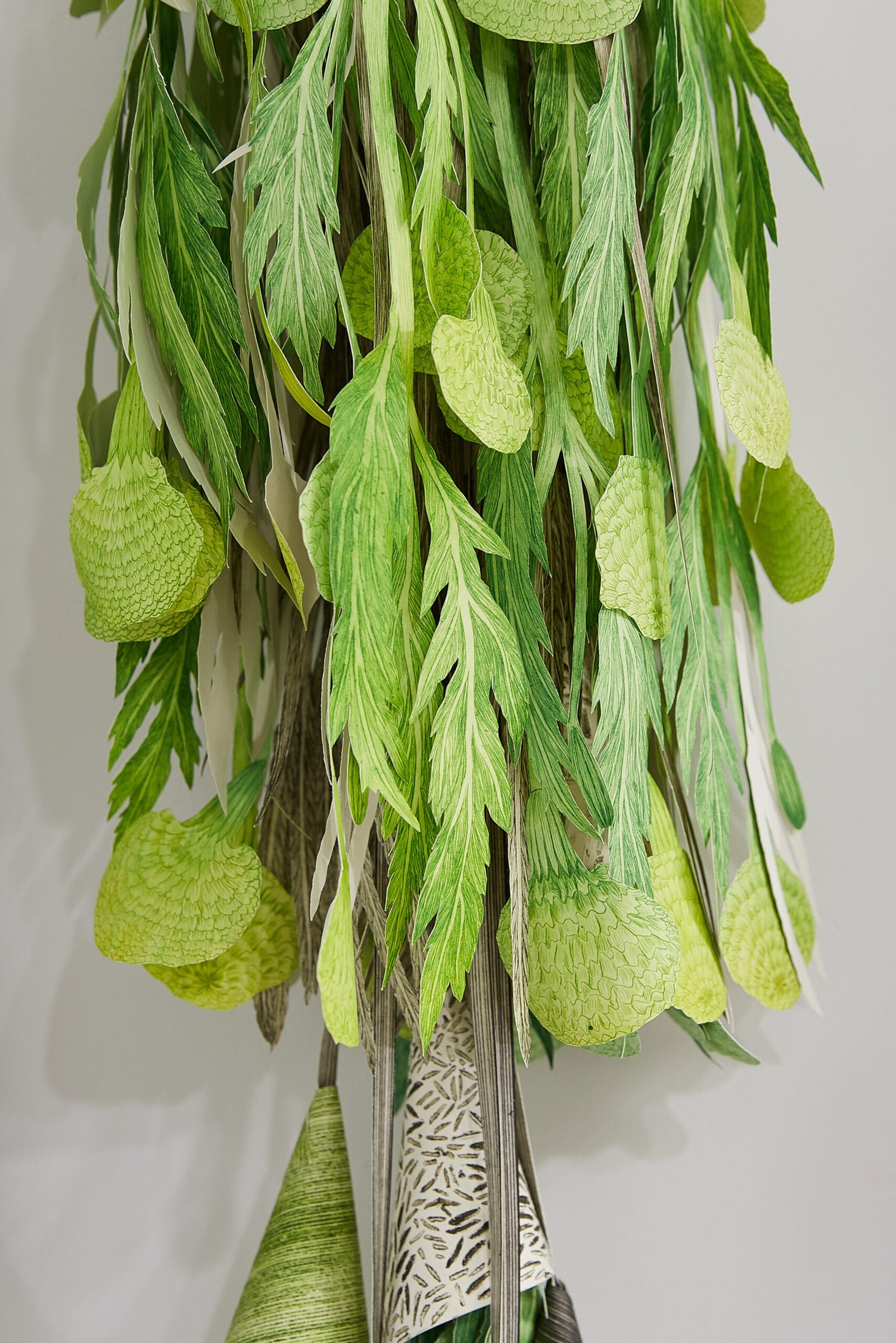
The Worship of Gratitude no. 2, 2021
In the Kwan Khao tradition, offerings are not merely symbolic gestures, but an intimate dialogue of thankfulness between the cultivator and Mae Posop (the Rice Goddess). The Worship of Gratitude focuses on this sacred, ritualistic exchange, reimagining the traditional ceremonial offerings, handcrafted bouquets of rice, native flowers, and symbolic foods presented to the goddess to honor, nourish, and thank her for blessing the farmer with an abundant yield during the harvest. These offerings mark a crucial threshold in the agricultural cycle: a moment where human petition transforms into pure thanksgiving, acknowledging that physical sustenance is a divine gift bound to the spirit of the earth.
Print making installation: Drypoint printing on cotton paper, paper cutting
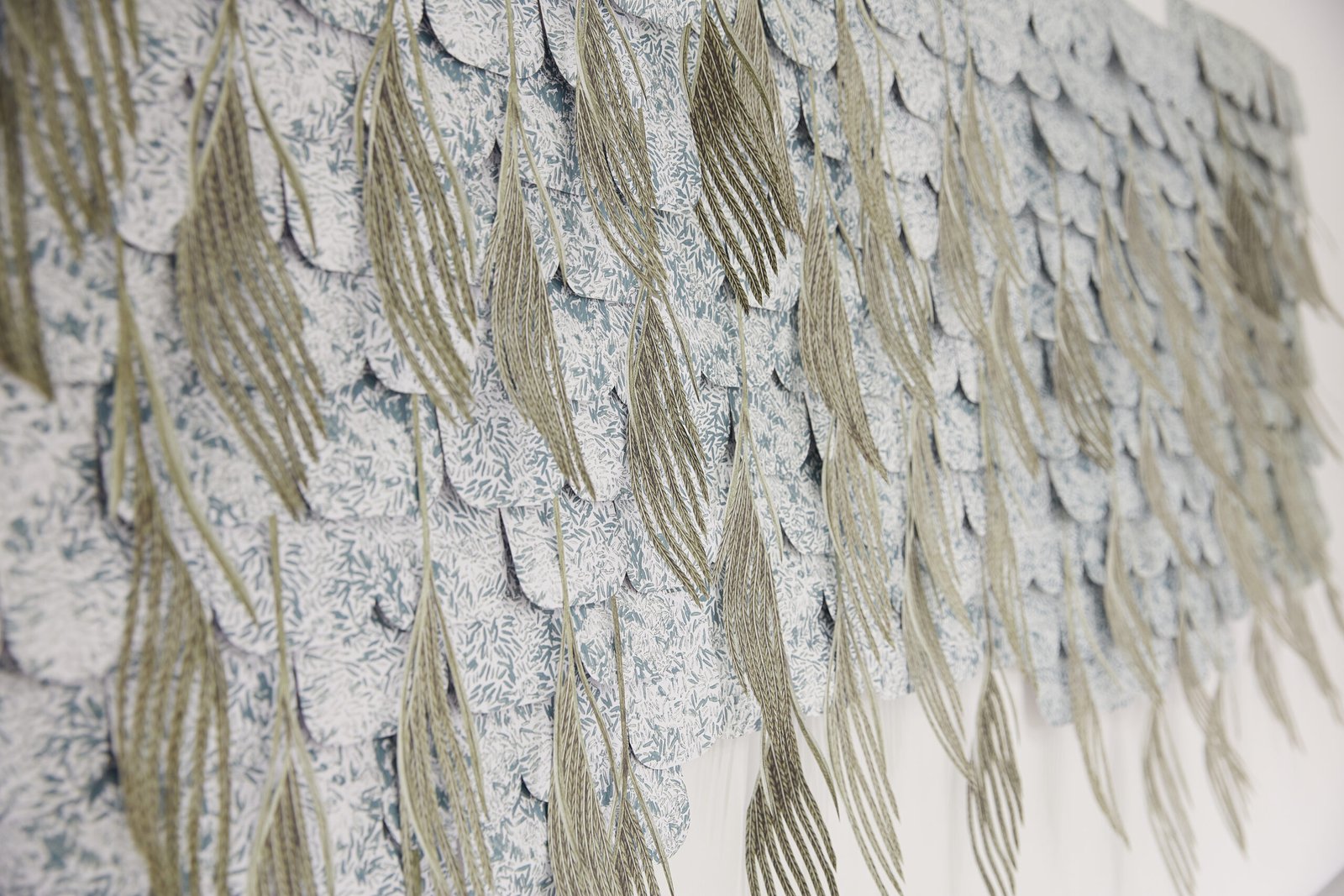
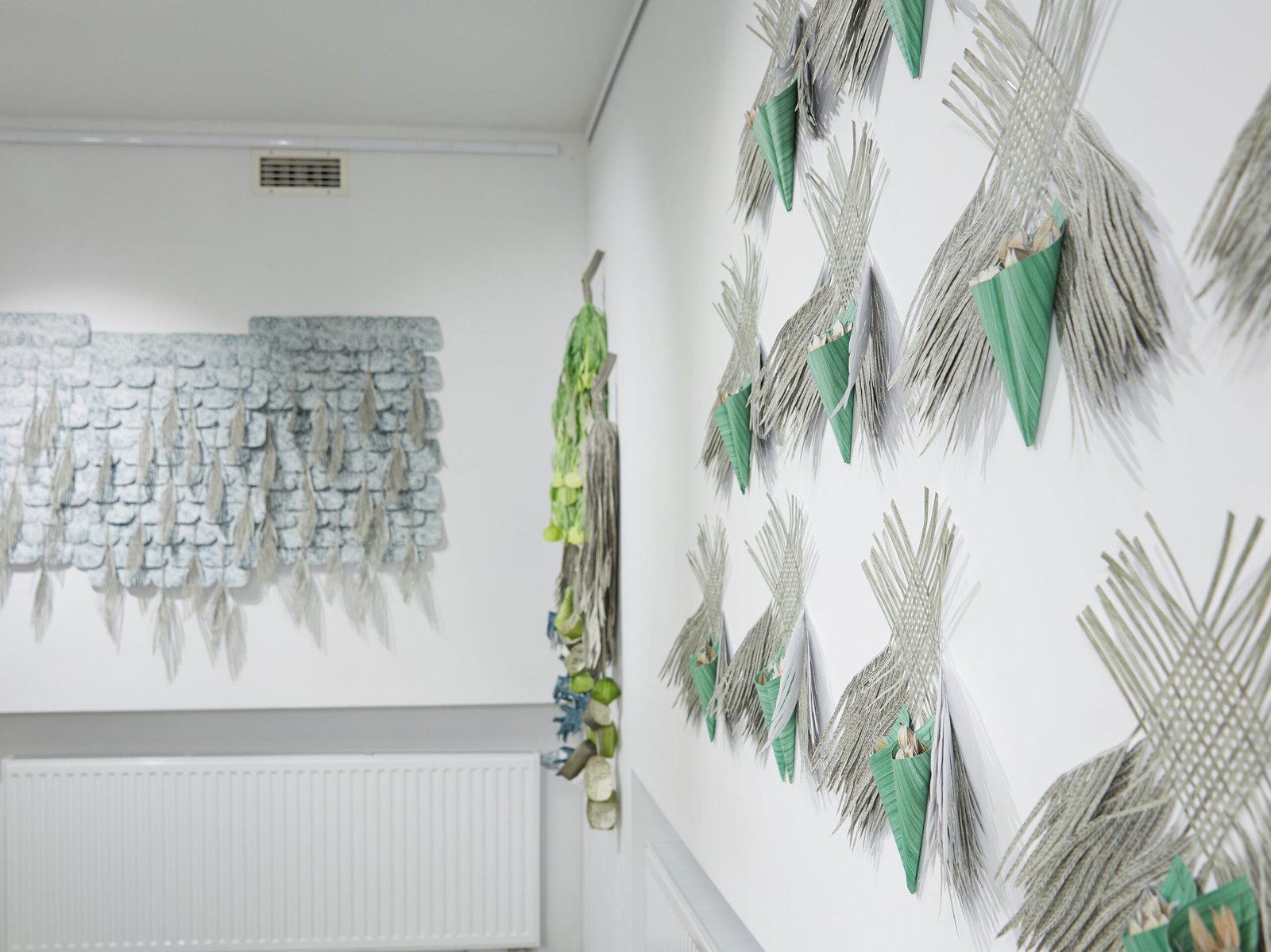
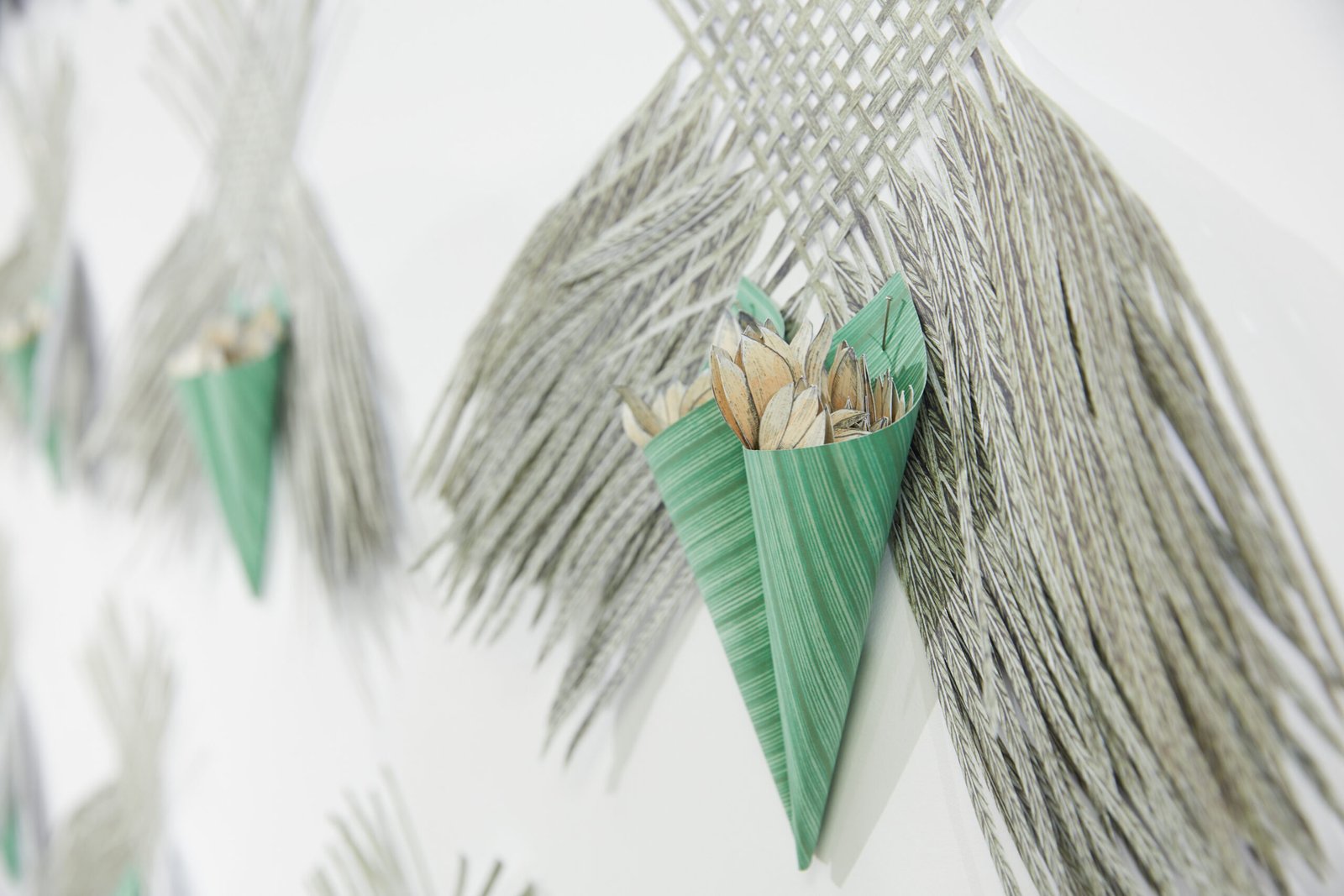
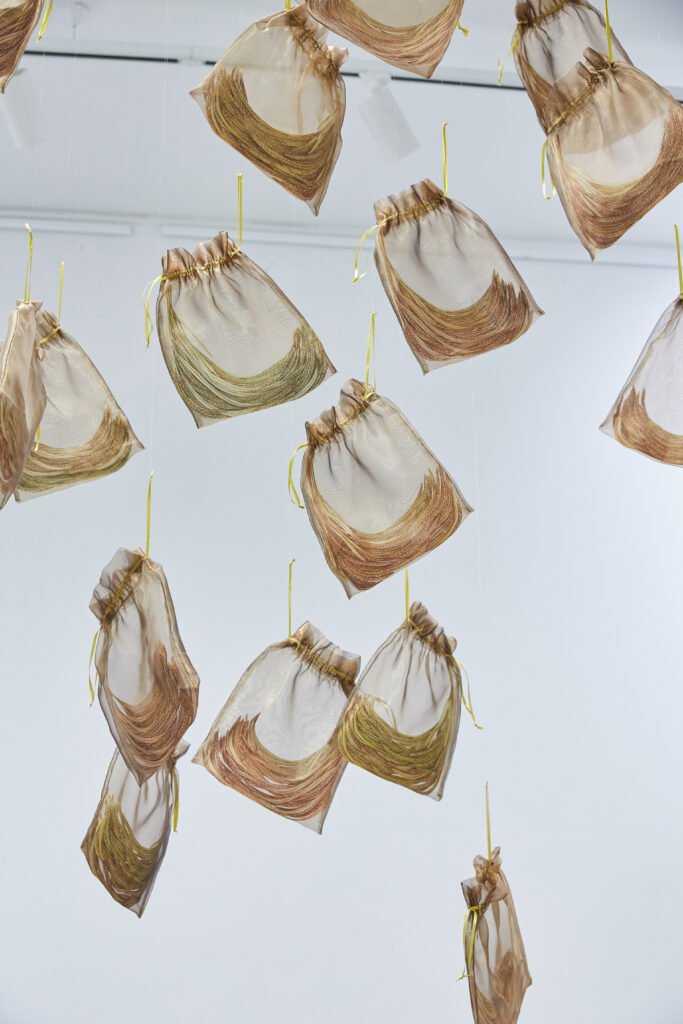
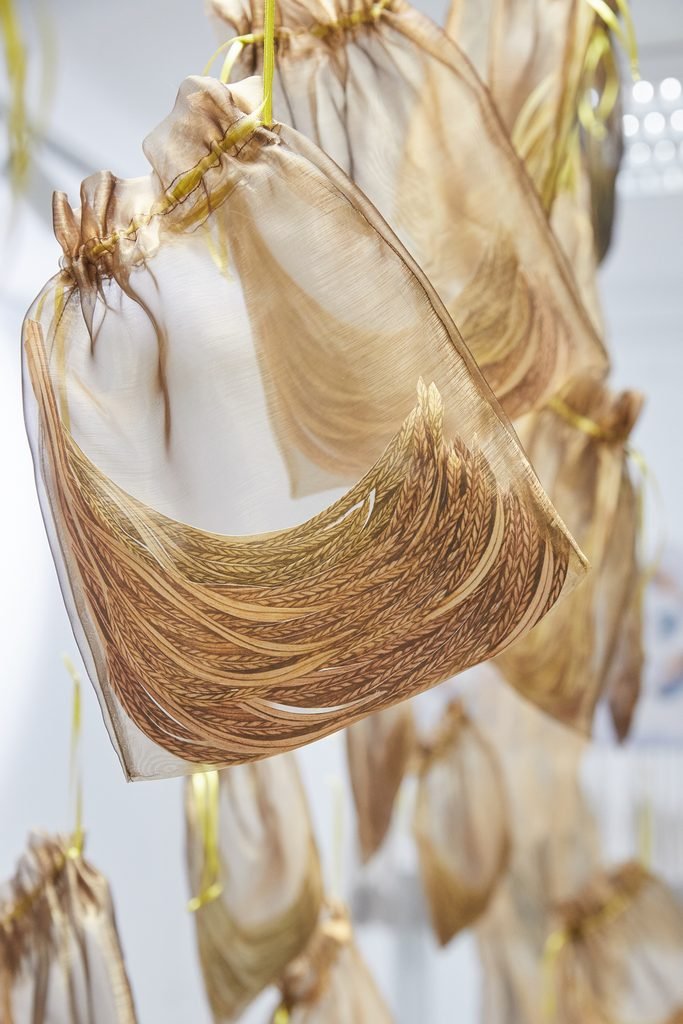
Khao Kwan Thung: The Vessel of Abundance, 2021
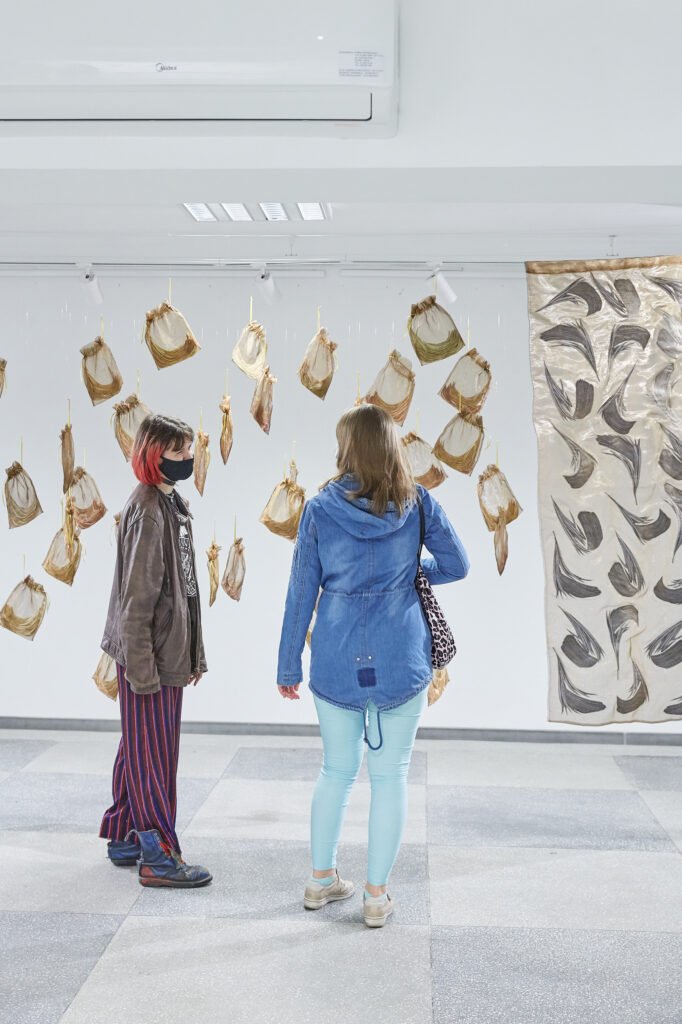
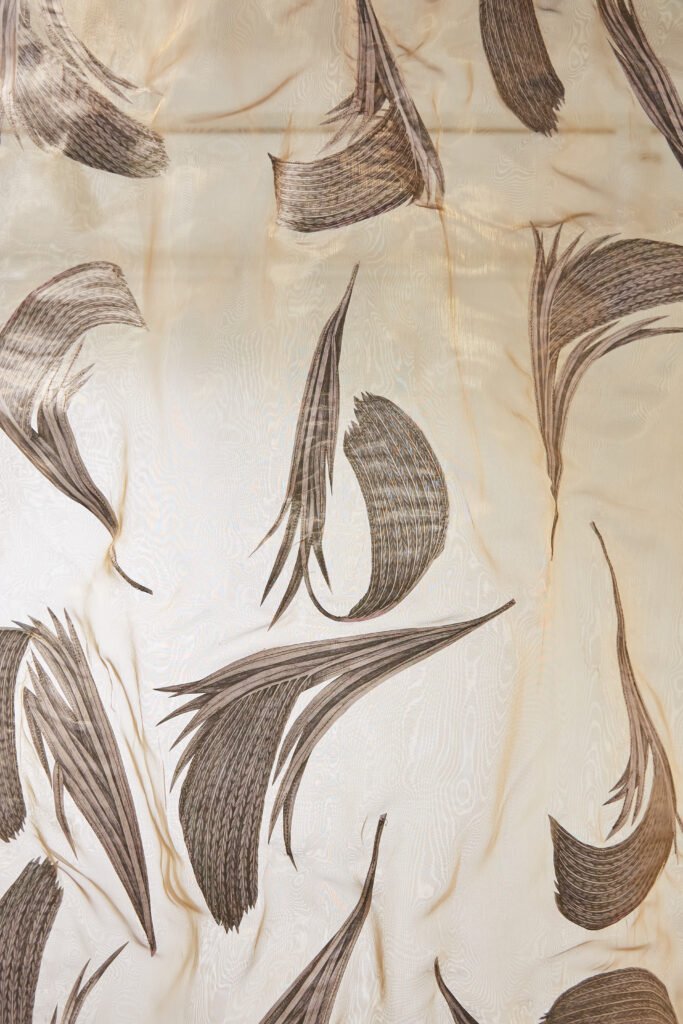
In Thai tradition, Khao Kwan Thung, small pouches of blessed rice seeds are kept to bring prosperity, protection, and infinite abundance. This installation reimagines the concept of the “blessed pouch” not merely as a physical object, but as a sanctuary of collective memory and spiritual resonance.
The artwork features suspended, translucent fabric vessels resembling scaled-up rice pouches, cascading from above. Inside these glowing forms, thousands of golden rice grains and delicate hand-woven threads hang in mid-air, casting intricate shadows across the space. As light filters through the ethereal structures, it creates a sanctuary-like atmosphere where the physical grain transforms into a quiet locus of light, intention, and prayer.
Print making installation: Drypoint printing on cotton paper, paper cutting


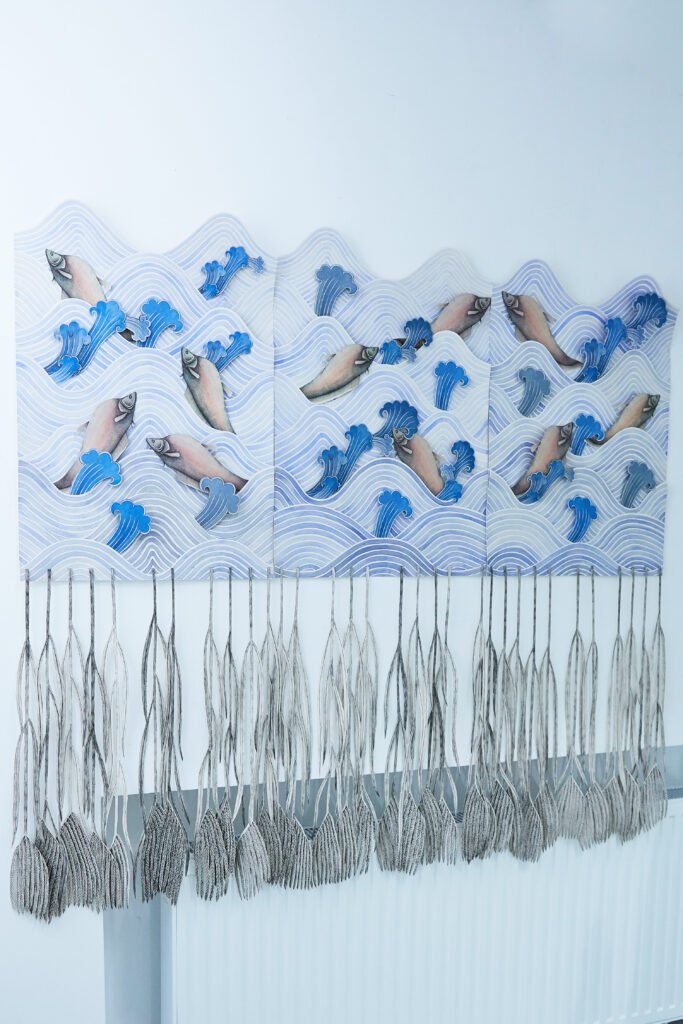
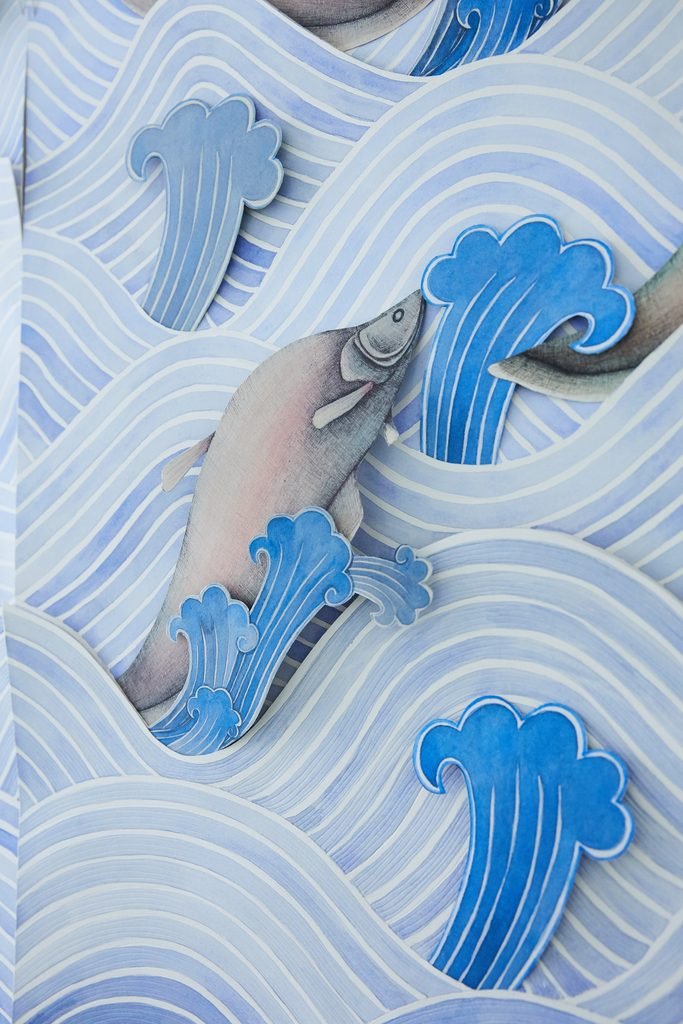
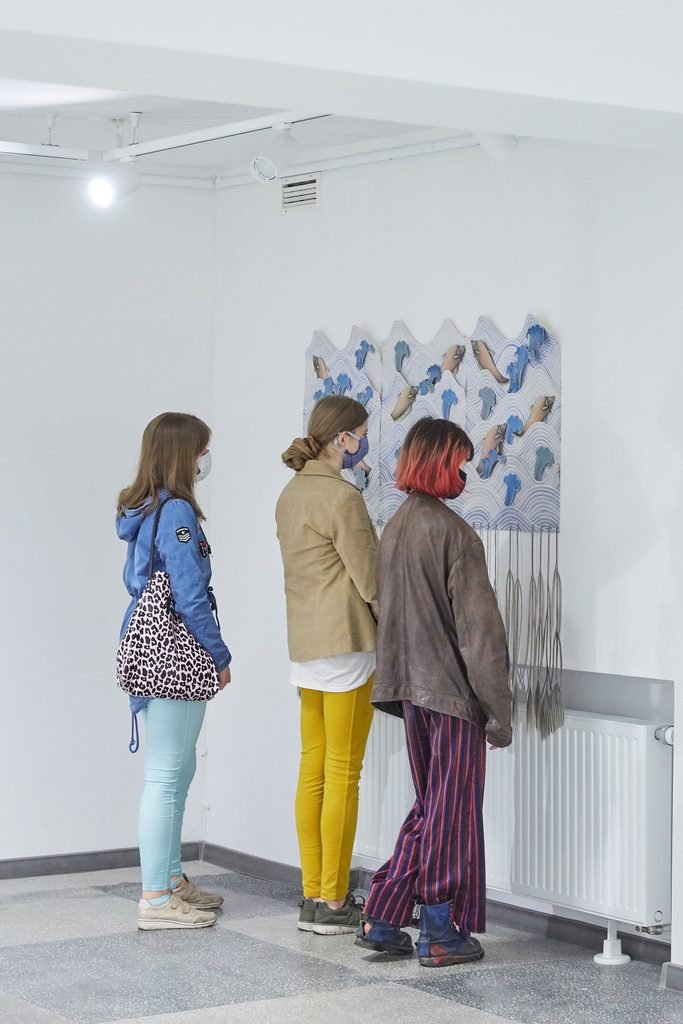
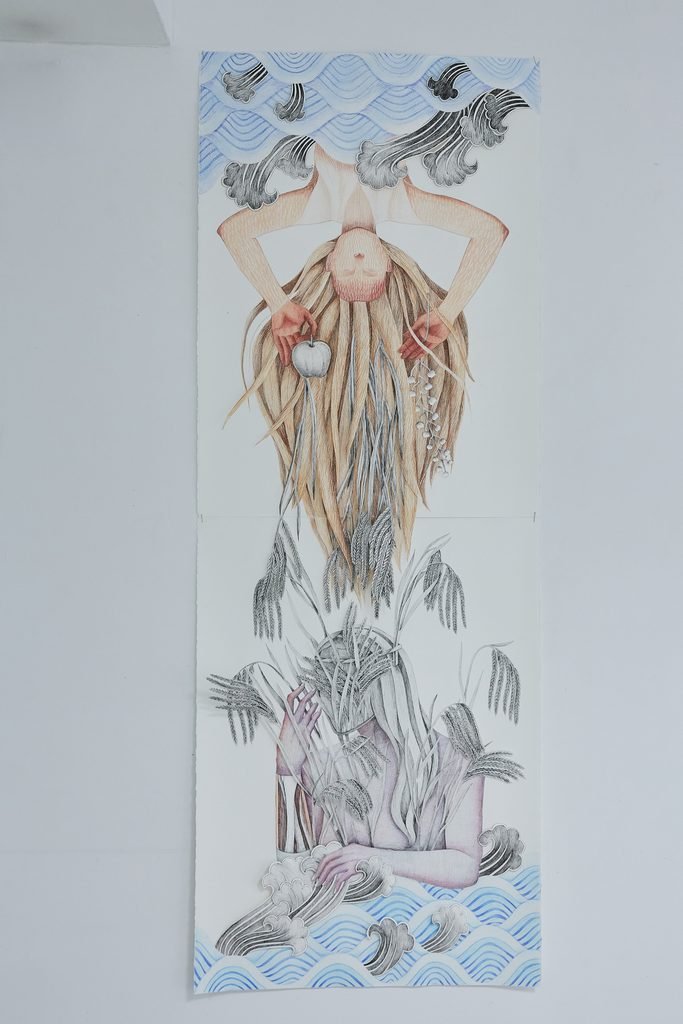
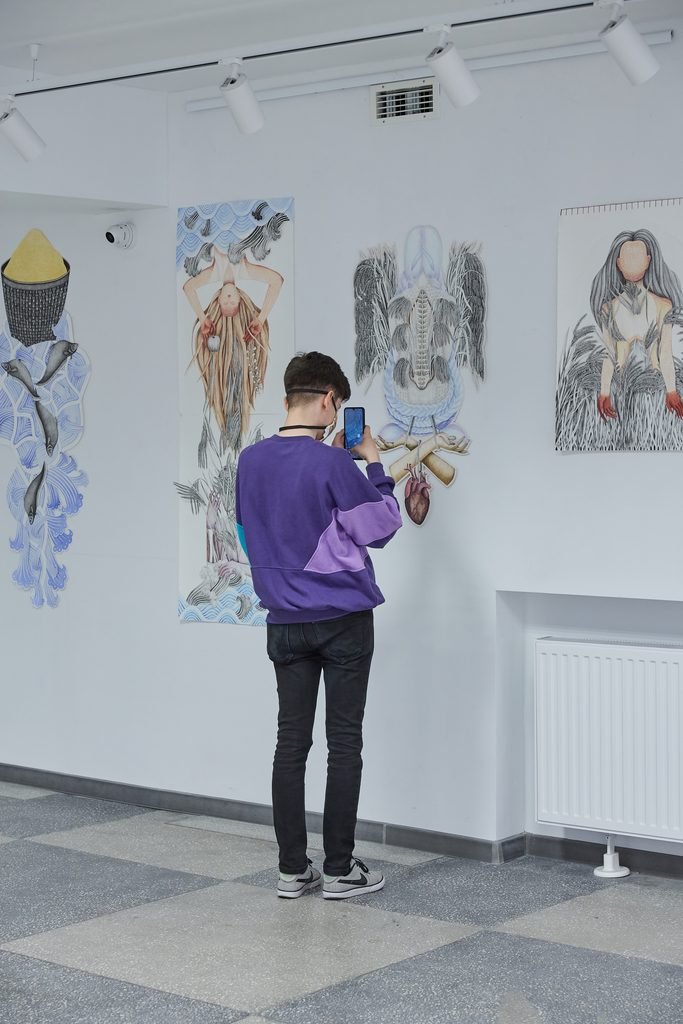
In the Water, In the Field: Echoes of the Soil, 2021
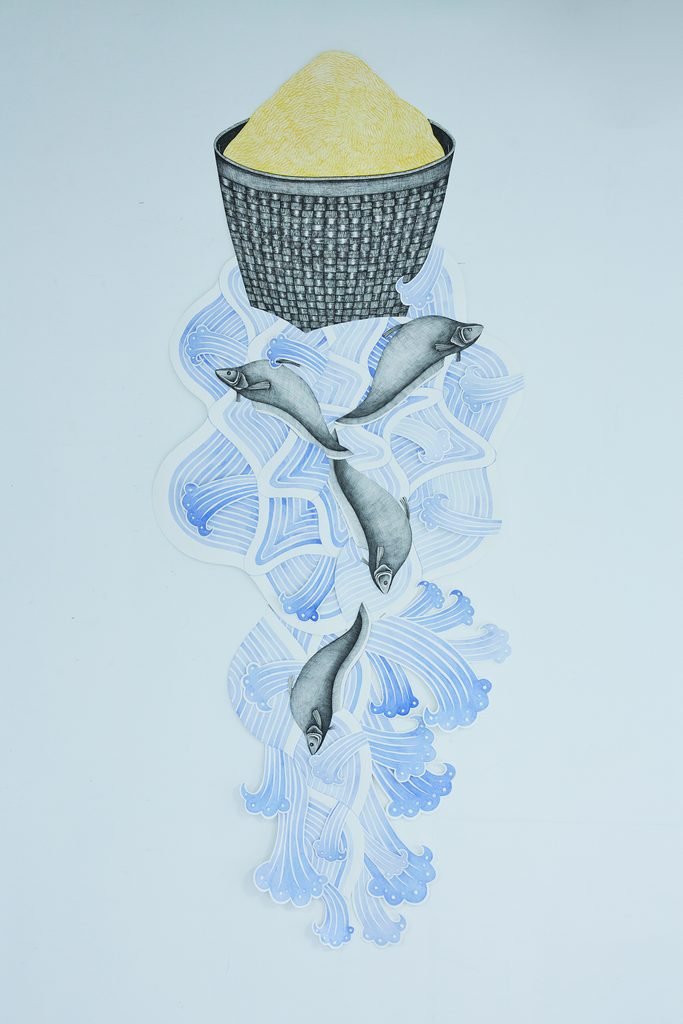
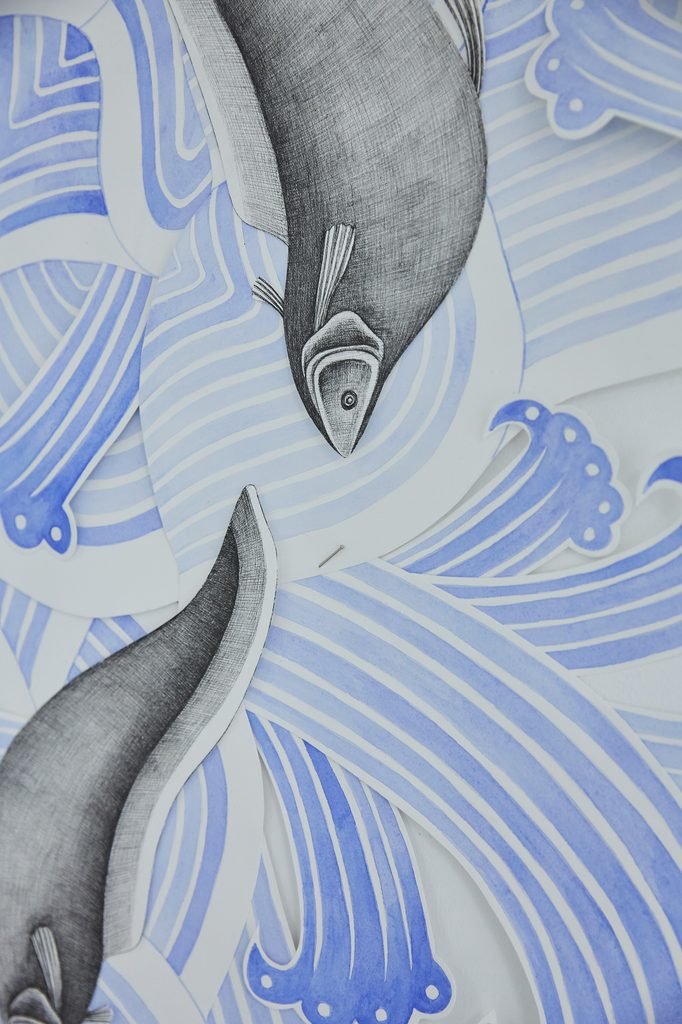
Inspired by the enduring Thai proverb “Nai Nam Mee Pla, Nai Na Mee Khao” (“In the water there are fish, in the fields there is rice”), this series of dimensional paper works explores the harmonious ecosystem that sustains traditional agrarian life. Rather than serving as a simple depiction of nature, the artwork translates a beloved cultural idiom into an intricate visual narrative, one where water, aquatic life, and harvested fields exist in perpetual dialogue.
At the heart of this work lies the deep-seated Thai cultural belief in the natural wealth of the motherland: the conviction that the land will always nourish its people with an endless abundance of food. This historical security is rooted in the health of the soil and water, but equally in a profound spiritual reverence. In traditional Thai life, nature’s bountiful yields are never taken for granted; they are seen as a sacred grace bestowed through the protection and harmony of divine guardians, the Goddess of the Earth (Phra Mae Thorani), the Rice Goddess (Mae Posop), and the Goddess of Water (Phra Mae Khongkha).
Created through drypoint printing and precise hand paper-cutting on heavy cotton paper, the installation gives physical form to these sacred connections. The sharp, etched lines of the drypoint technique combine with relief textures to evoke the rippling currents, tilled soil, and organic forms of fish and grain. In bringing these elements together, In the Water, In the Field: Echoes of the Soil honors the delicate, spirit-infused bond between human devotion, divine blessings, and the enduring fertility of the earth.
Print making installation: Drypoint printing, watercolor on cotton paper, hand pressed relief lines and hand paper cutting



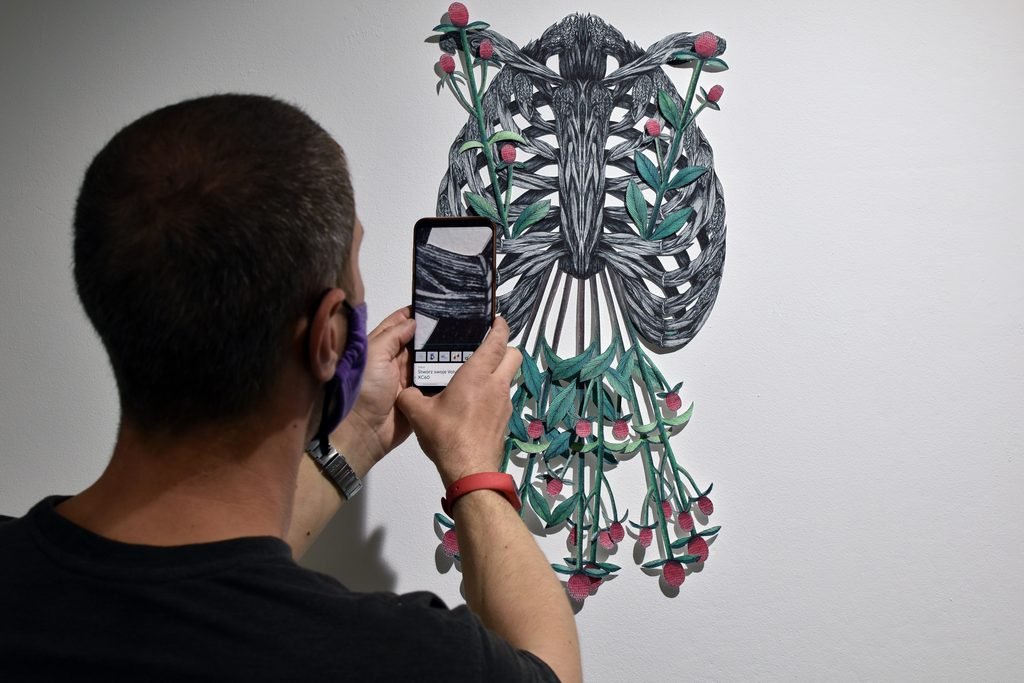
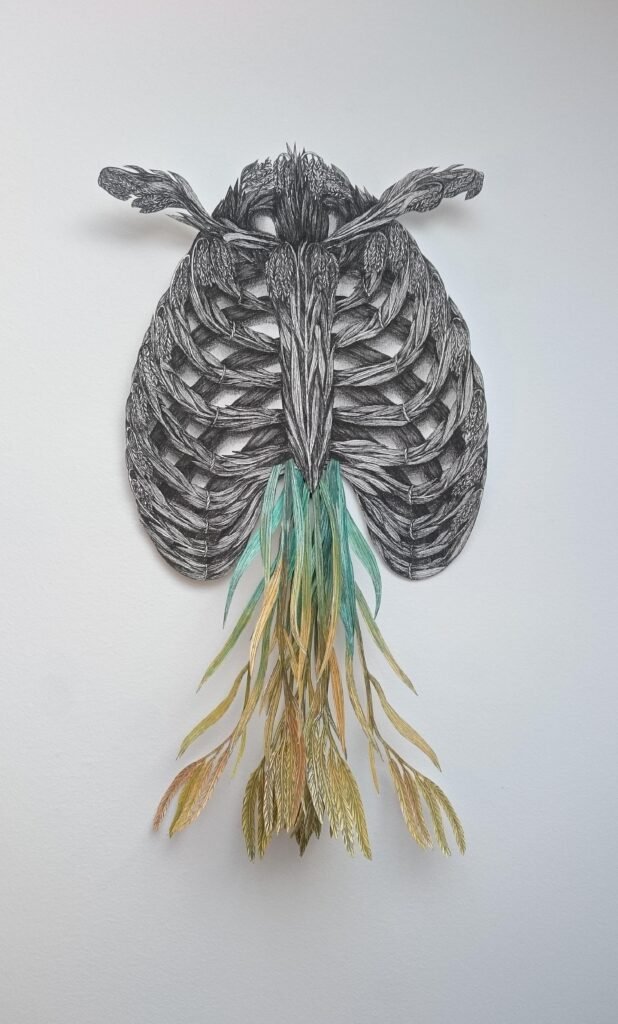
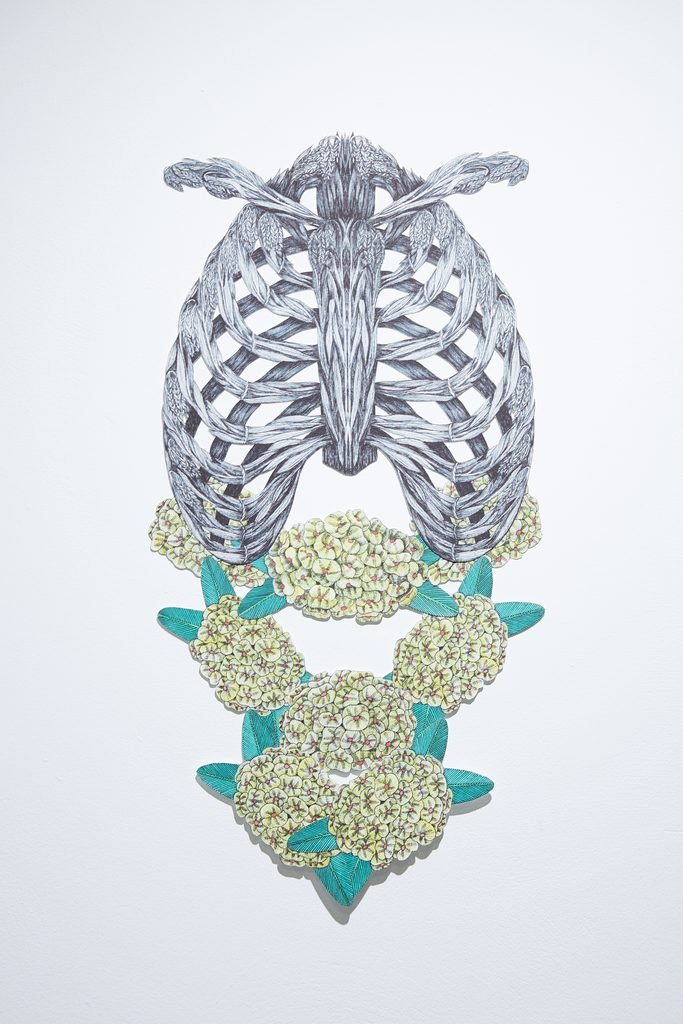
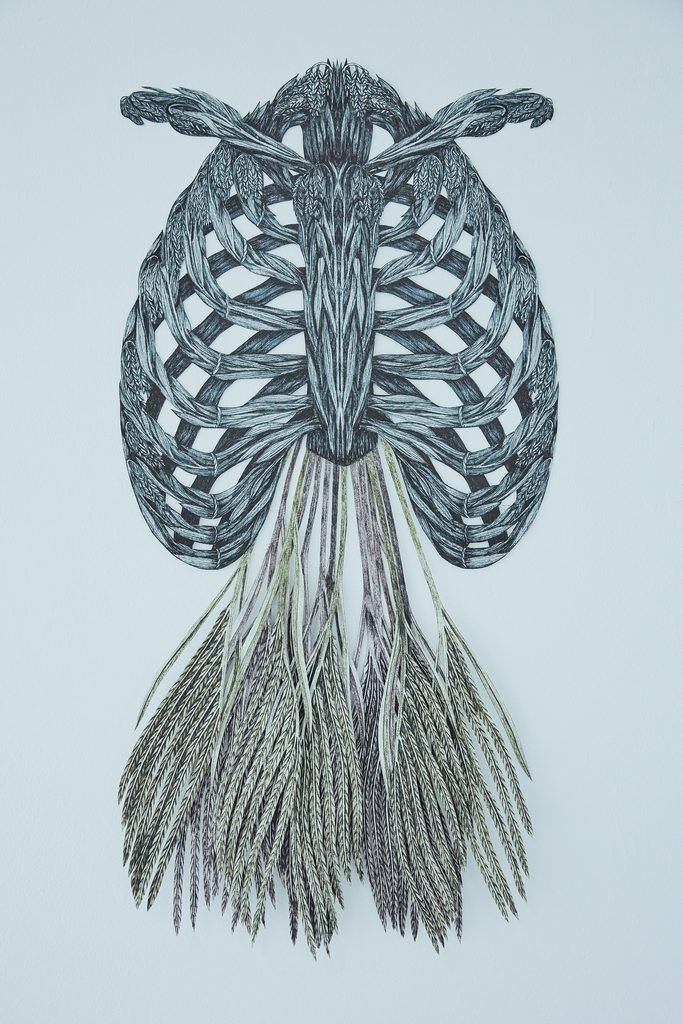
Bone and Bloom: Anatomy of Rebirth, 2021
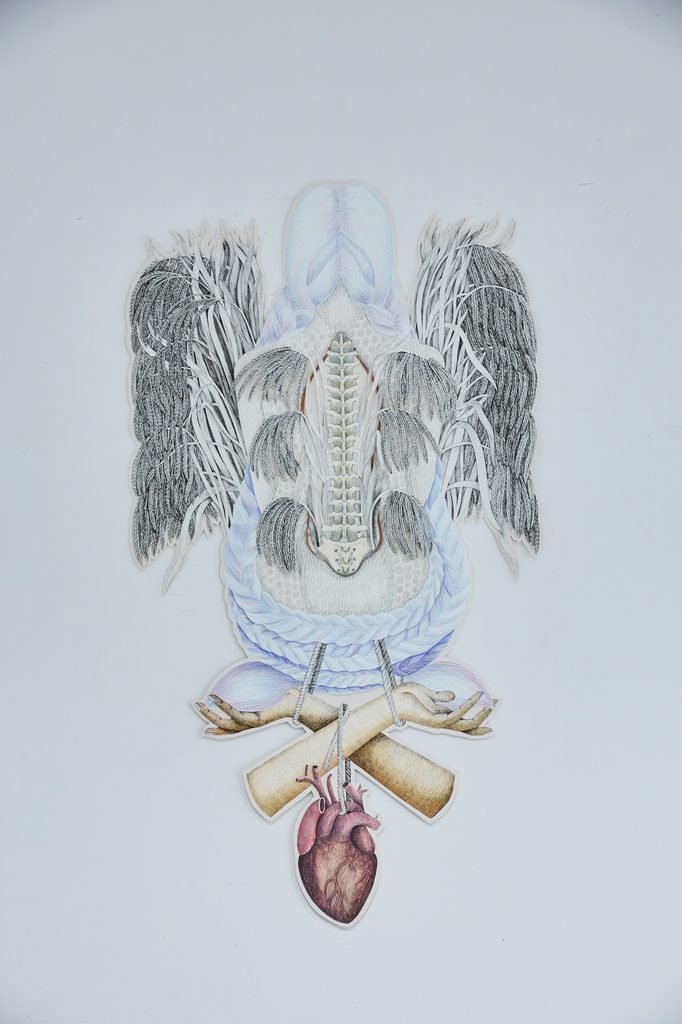
In this culminating series, the human ribcage becomes an altar where biological mortality meets the eternal rhythm of nature. Intertwining paper-cut chest bones with drypoint-printed rice sheaves, native flora, and delicate blossoms, the artwork explores the endless cycle of life, death, and rebirth, revealing that the human body and the earth are bound by the exact same laws of existence.
In traditional agrarian philosophy, death is not a finality, but a necessary return to the soil, a quiet decomposition that feeds the roots of future life. The sternum and ribs, which once shielded human breath and soul (Kwan), now serve as a cradle for new growth to sprout and bloom. Just as a grain of rice falls into the dirt only to rise again as a bountiful harvest, our physical form eventually returns to the earth to yield new life.
Constructed entirely through drypoint printing and intricate hand paper-cutting, Bone and Bloom: Anatomy of Rebirth bridges the anatomical with the botanical. The sharp, velvety lines of the drypoint etchings render both bone and flora with equal reverence, creating a haunting yet comforting meditation on existence. Ultimately, the work reminds us that human decay is not an ending, but the very foundation from which life blooms anew.
Print making installation: Drypoint printing, watercolor on cotton paper, hand pressed relief lines and hand paper cutting
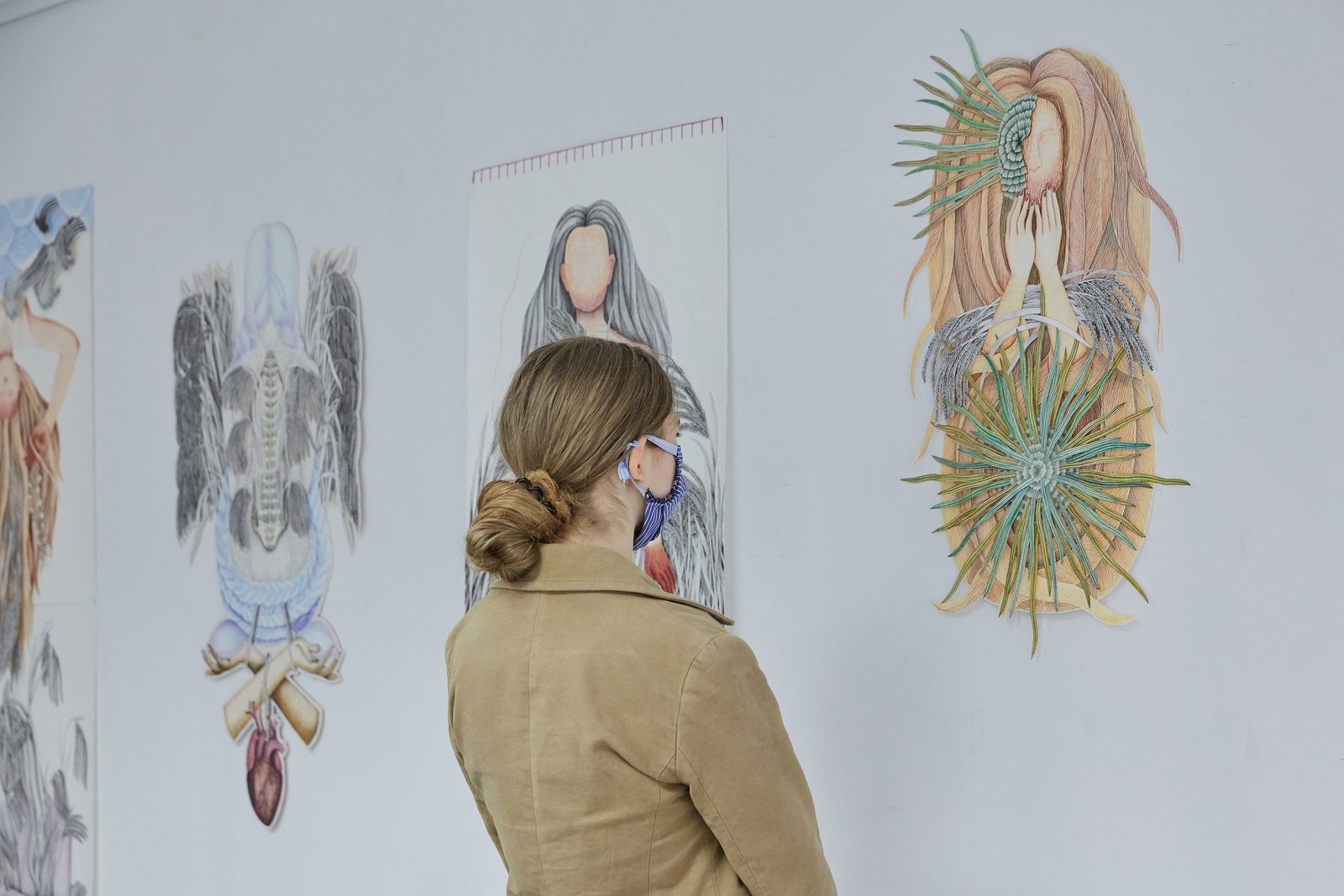

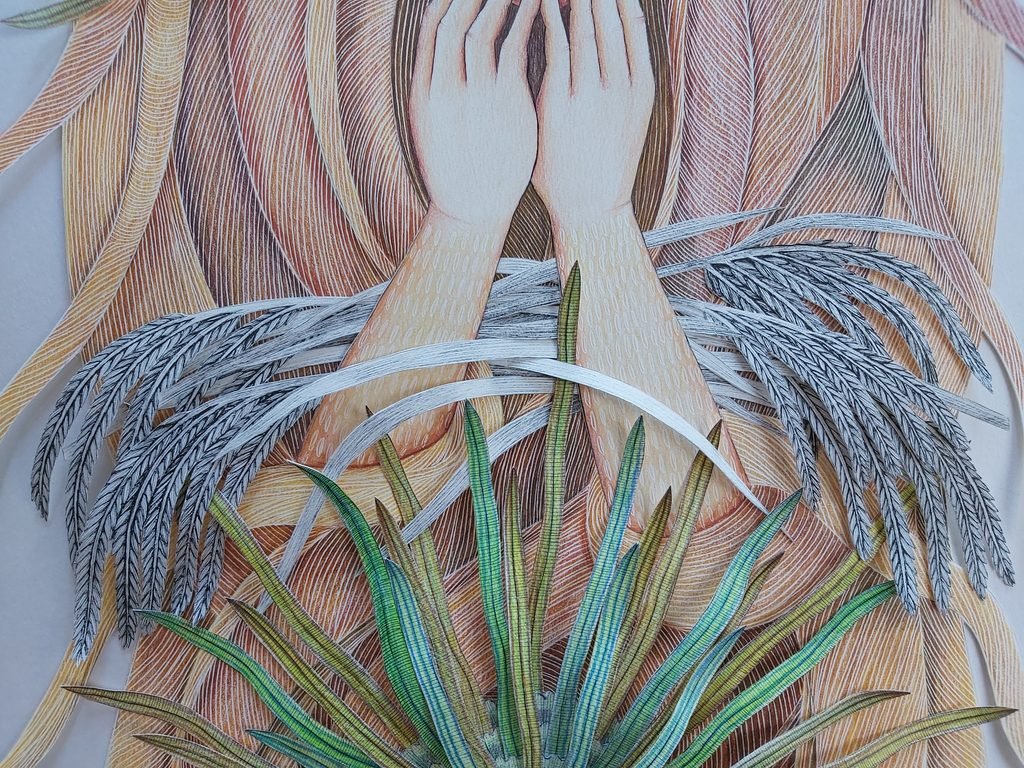
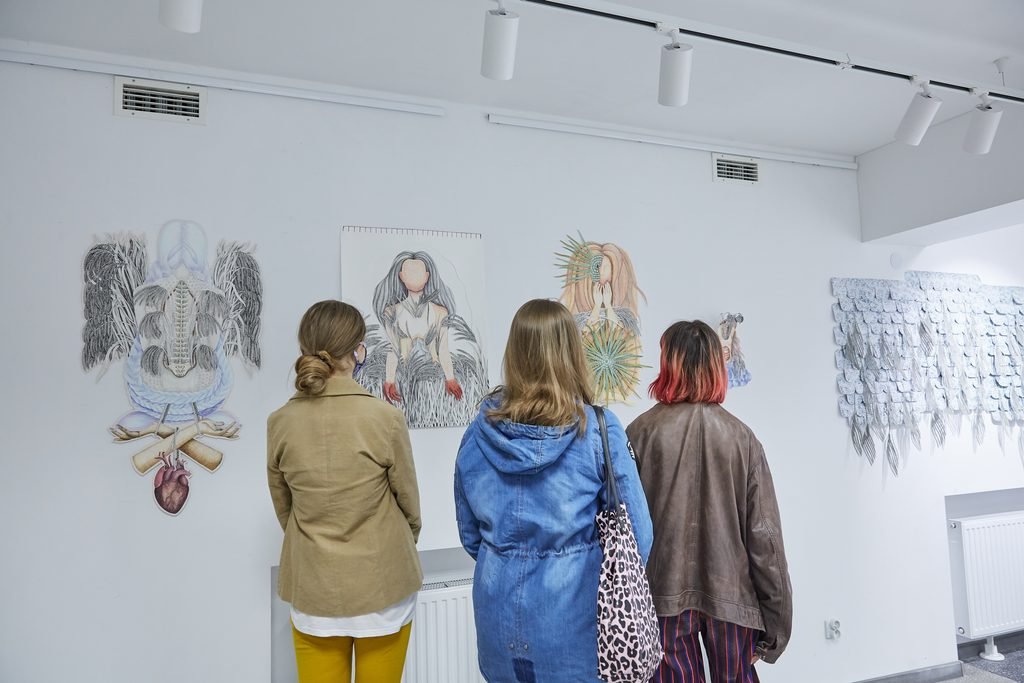




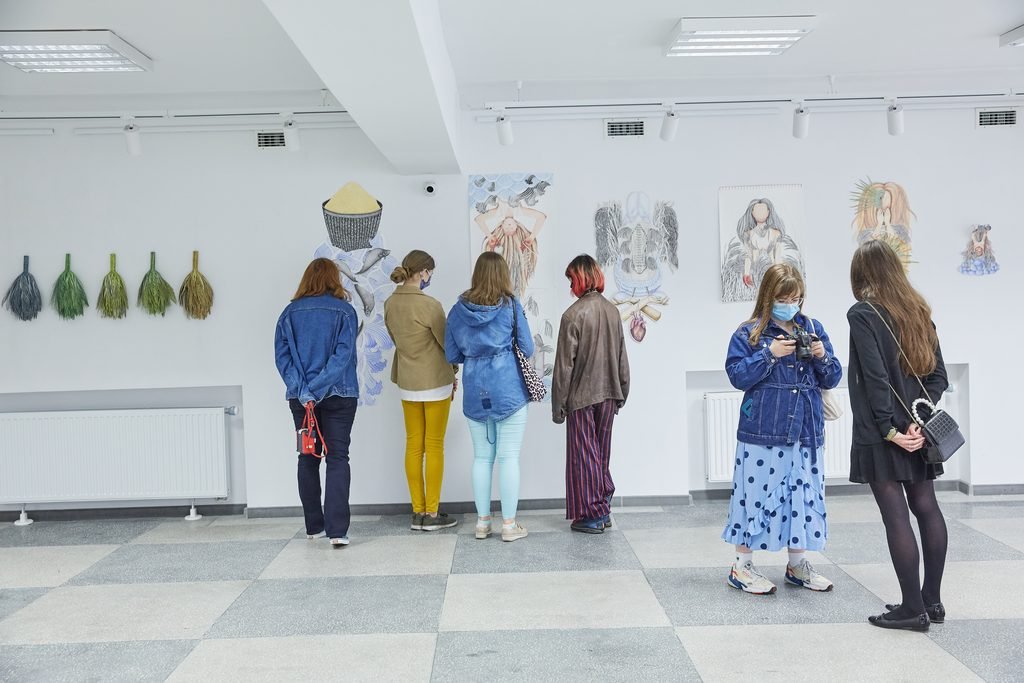





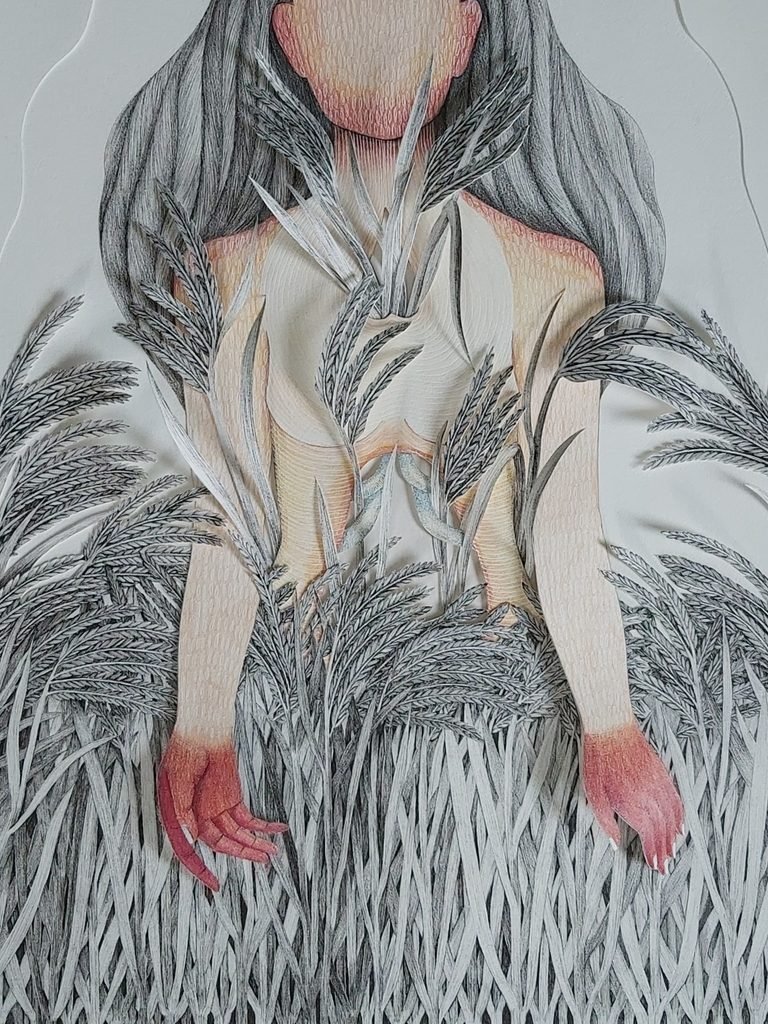

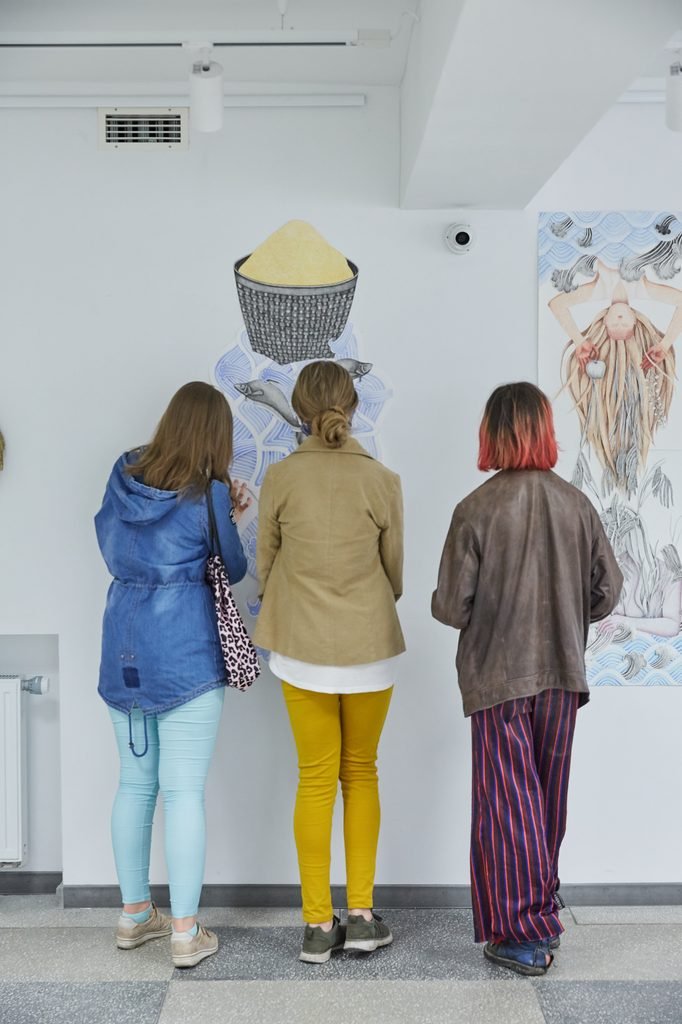
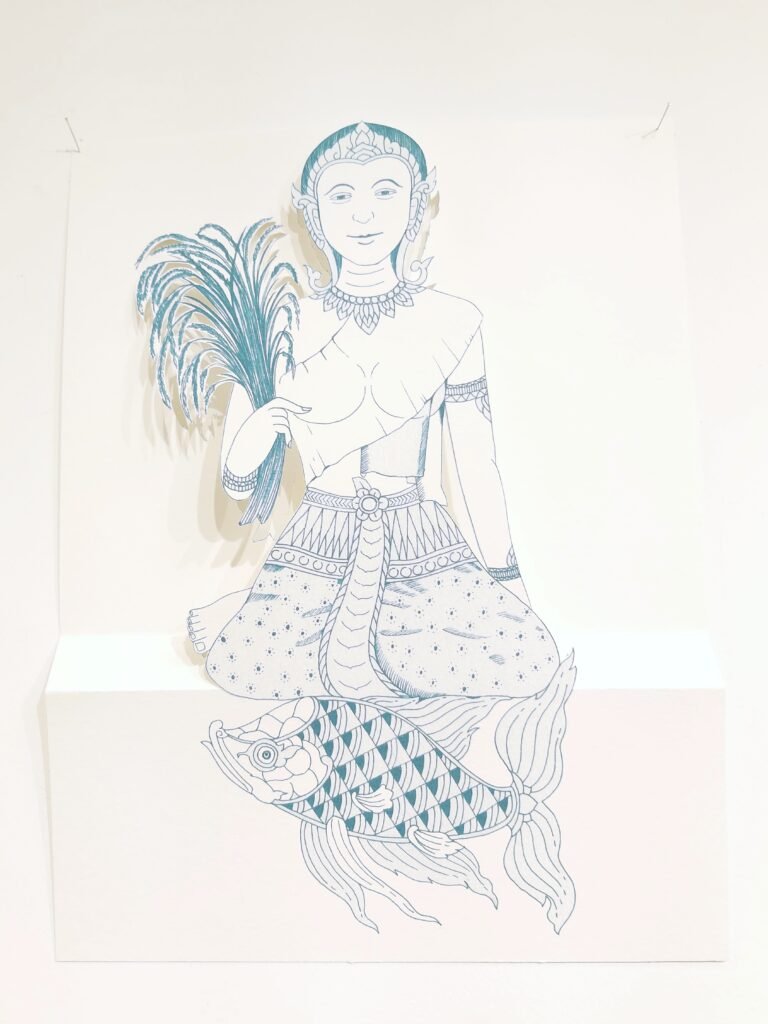
Mae Phosop, the Rice Goddess, 2021
Mae Phosop is the goddess of rice in Thai traditional beliefs, representing the life-giving importance of rice and its close relationship with people, land, and agricultural life. Rice is not only a staple food but also a source of life, prosperity, and cultural identity. Traditionally, Thai farmers show respect and gratitude to Mae Phosop through rituals and ceremonies, asking for forgiveness and praying for abundant harvests. These beliefs reflect a deep connection between people and the natural world, where rice is treated with care and reverence.
Print making installation: Drypoint printing on paper, paper cutting




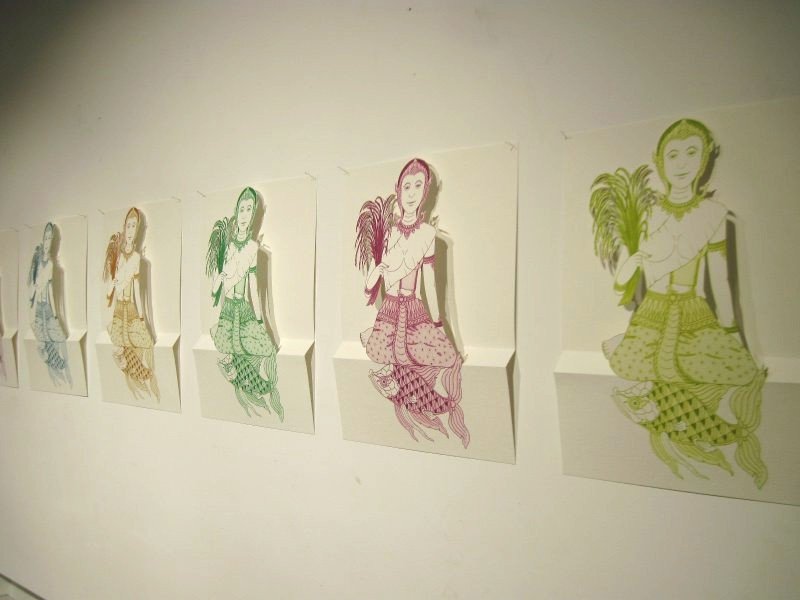

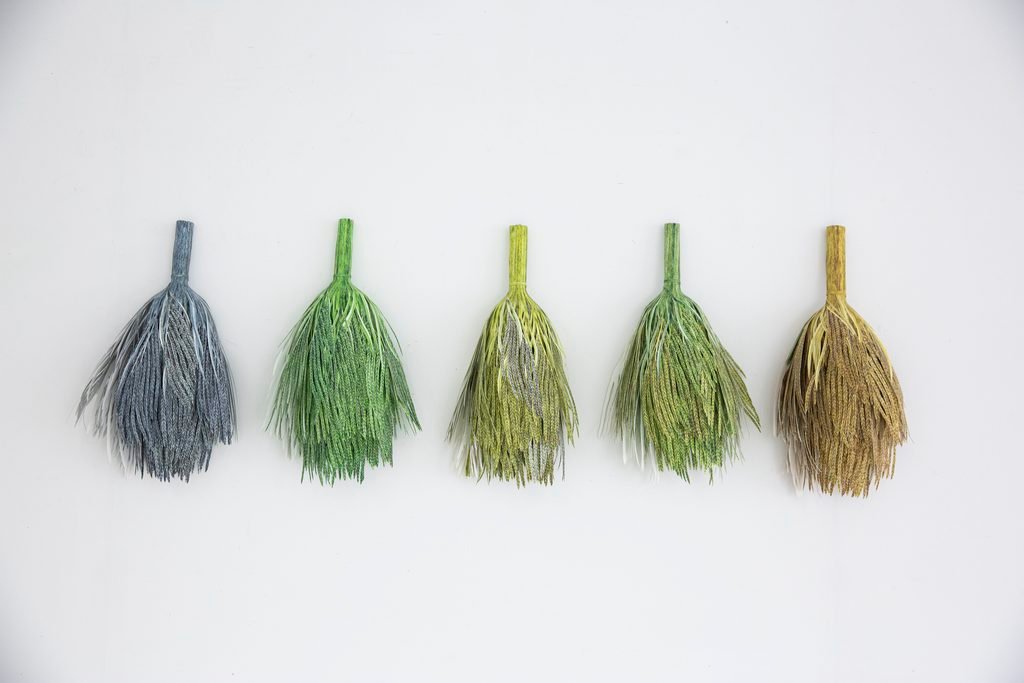
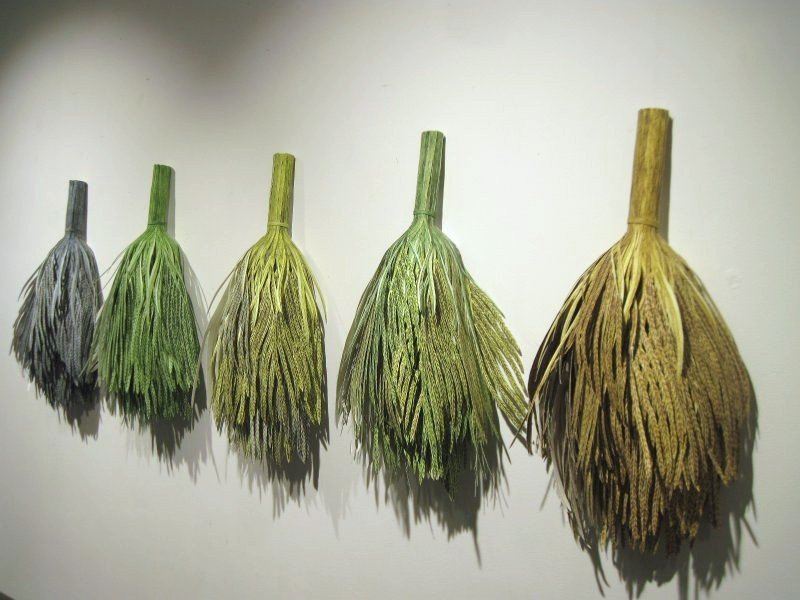
After the Harvest: The Weight of Memory, 2021
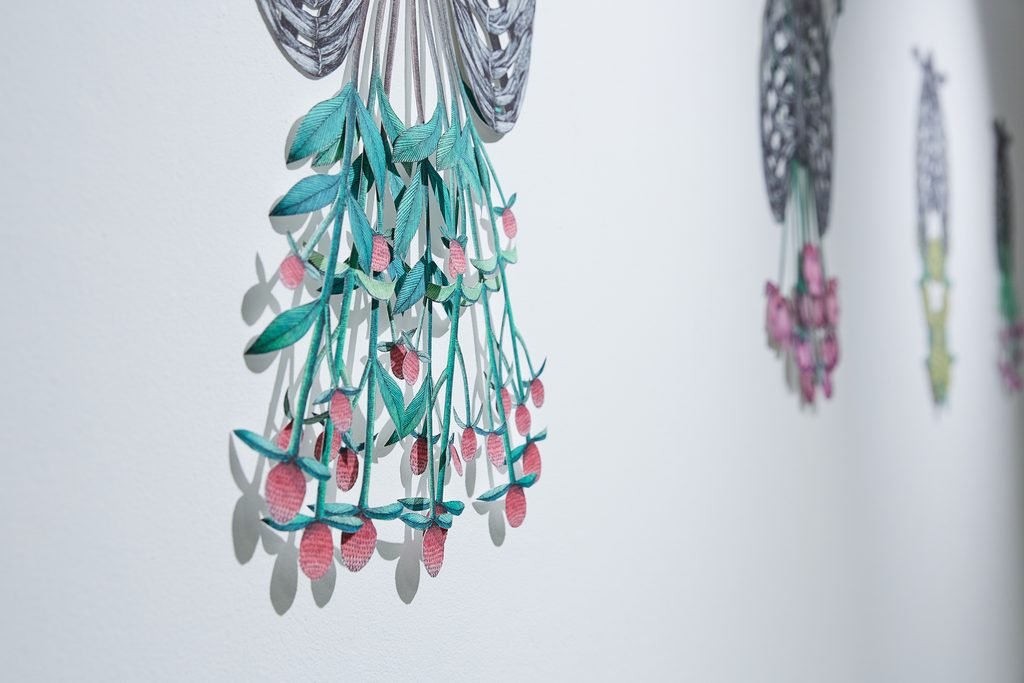
This artwork turns its focus toward the quiet stillness that settles over the land once the season’s labor is done. Inspired by the traditional mounds of harvested rice gathered across paddy fields, the piece explores the profound duality between nature’s physical yield and the meticulous human effort embedded within it.
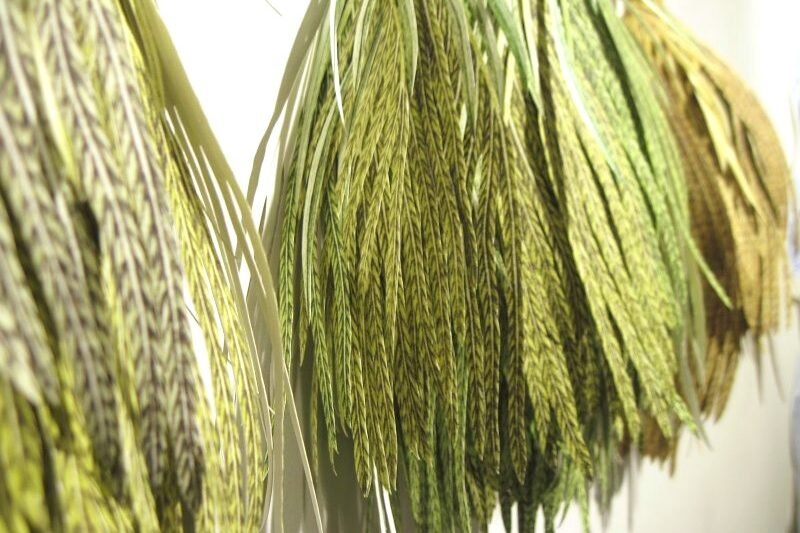
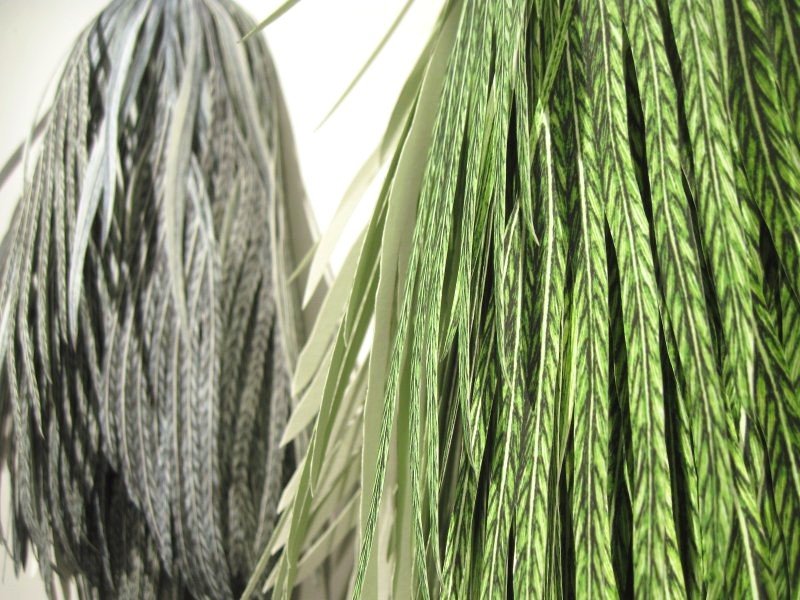
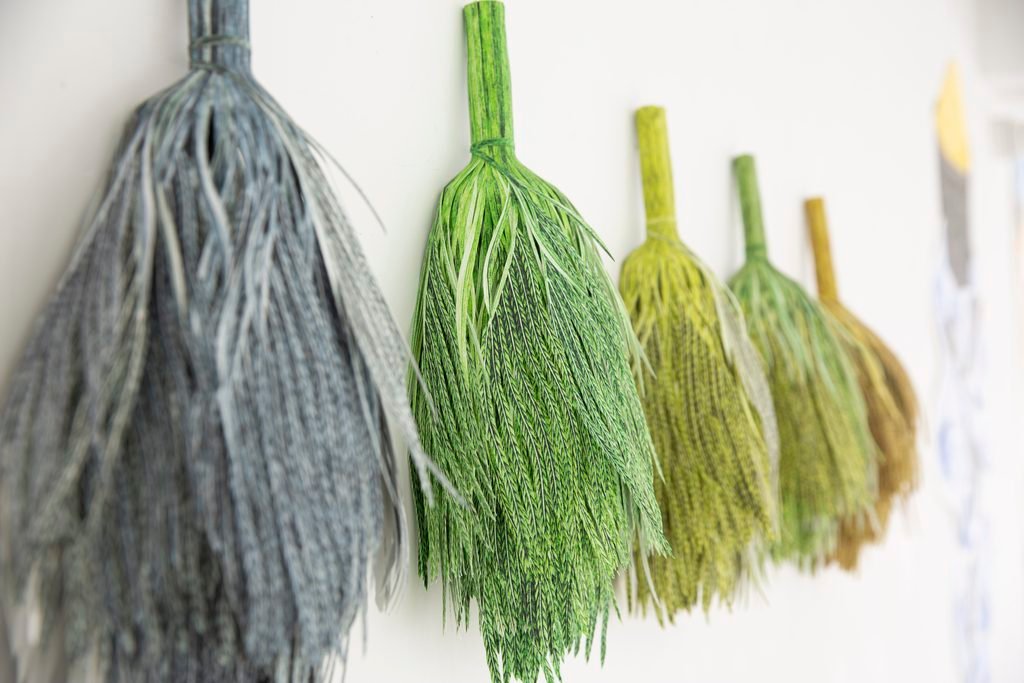
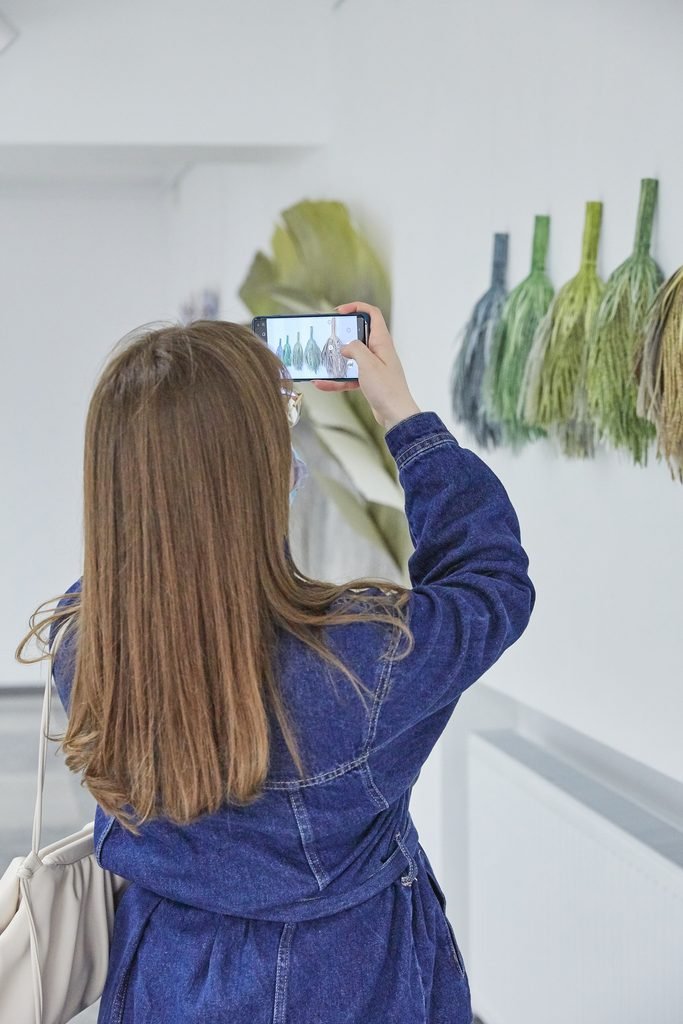
Comprising five distinct rice bouquet sculptures created entirely from drypoint-printed and hand-cut cotton paper, the installation traces the transformative passage of time through color. The shifting spectrum, moving from vibrant greens to golden yellows, warm earthy browns, and ultimately stark black-and-white mirrors the natural lifecycle of the paddy field as it matures toward harvest. While the colored hues capture the living, physical transformation of the crop across seasons, the monochromatic bouquet stands as a meditative archive of memory, time, and spirit.
Through this temporal progression, After the Harvest: The Weight of Memory illustrates how the agrarian cycle is intrinsically bound to human existence. The endless rhythm of planting, ripening, and harvesting serves as a metaphor for the human experience, reminding us that memory, nature, and the passage of time are inextricably linked, each dependent on the other to give life its sacred weight and continuity.
Print making installation: Drypoint printing on cotton paper, paper cutting